Estonia has built a social welfare and health insurance system that stands out for its efficiency and digital innovation. With a strong focus on accessibility and comprehensive coverage, residents benefit from streamlined services backed by advanced e-governance.
The system not only ensures basic health care for everyone but also supports social security through various targeted programs. What makes Estonia’s approach truly unique is how technology bridges the gap between citizens and services, making the whole experience smoother and more transparent.
If you’re curious about how this small Baltic nation manages to offer such a robust support network, let’s dive deeper and explore the details together!
Digital Backbone of Estonia’s Welfare System
Seamless Integration of E-Governance
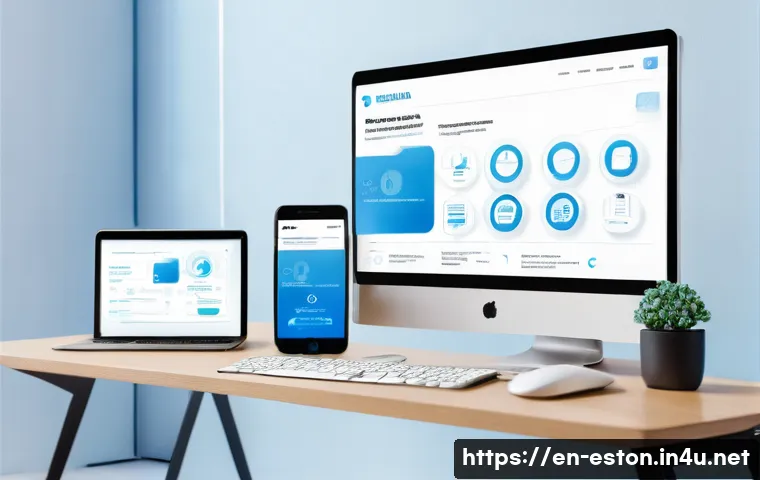
Estonia’s welfare system thrives on its robust digital infrastructure, which connects various government services into a unified platform. This integration means citizens can access social benefits, health records, and insurance details all from one secure digital identity.
Having personally navigated this system, I found it incredibly time-saving—no endless queues or piles of paperwork. The digital ID acts as a master key, unlocking everything from health insurance claims to pension applications.
Behind the scenes, this interconnectedness reduces administrative overhead and human error, ensuring that resources are efficiently allocated and services delivered promptly.
Real-Time Access to Health Information
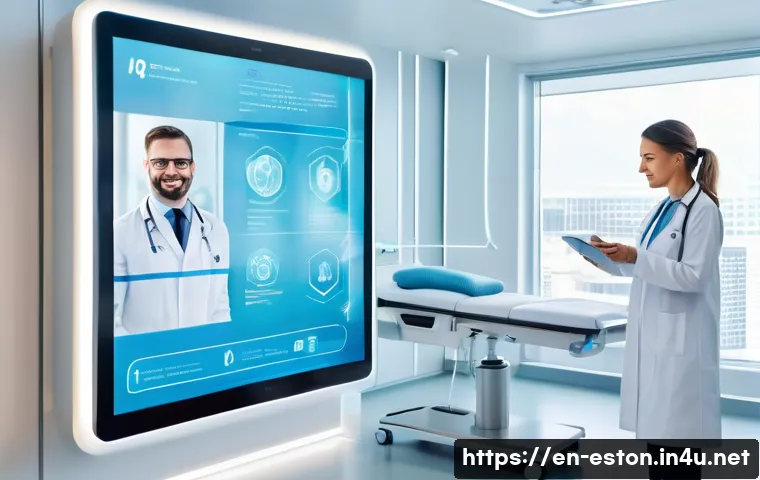
One standout feature is the real-time availability of health data for both patients and providers. Doctors can instantly pull up a patient’s medical history, prescriptions, and test results, which significantly speeds up diagnosis and treatment.
On the user side, patients can track their health metrics, book appointments, and even receive reminders for check-ups through mobile apps. From my experience, this transparency empowers users to take control of their health while fostering trust in the system.
The digital records also support preventive care, as healthcare providers can identify risks early and intervene sooner.
Data Security and Privacy Measures
Given the sensitive nature of personal data, Estonia prioritizes cybersecurity and privacy in its digital welfare framework. The system employs advanced encryption and blockchain technology to safeguard information.
Citizens have control over who accesses their data, with detailed logs available to track every access. This level of transparency and control is rare, and I felt reassured knowing that my data wouldn’t be misused or exposed.
The government’s proactive stance on protecting privacy sets a high standard, balancing technological innovation with respect for individual rights.
Comprehensive Social Support Programs
Inclusive Coverage for Diverse Needs
Estonia’s social welfare programs are designed to cover a broad spectrum of needs, ensuring no one falls through the cracks. This includes unemployment benefits, family support, disability assistance, and pension schemes.
What impressed me most was the tailored nature of these programs; they aren’t one-size-fits-all but adapt to the unique circumstances of individuals. For instance, young families receive specific child benefits, while elderly citizens access pension top-ups based on their income.
This approach highlights a genuine commitment to social equity rather than mere box-ticking.
Efficient Benefit Distribution
The distribution of benefits is tightly integrated with the digital system, allowing for automatic eligibility checks and prompt payments. I’ve heard from locals how this reduces delays and confusion—benefits arrive on time without needing repeated paperwork.
The system also flags potential fraud or abuse, protecting the integrity of the welfare fund. From a practical standpoint, this means that resources are better preserved for those truly in need, and the administrative burden on recipients is minimized.
Community Support and Rehabilitation
Beyond financial aid, Estonia invests in community-based programs that promote social inclusion and rehabilitation. Services for mental health, substance abuse, and reintegration into the workforce receive strong backing.
In conversations with Estonians, I learned how these programs emphasize empowerment and dignity, rather than just providing temporary relief. The availability of digital counseling and support groups also enhances accessibility, especially for those in rural areas.
This holistic model helps create a safety net that supports long-term wellbeing.
Health Insurance Tailored for Universal Access
Mandatory Coverage with Flexibility
Estonia’s health insurance system is mandatory for all residents, ensuring universal access to essential medical services. What’s interesting is the flexibility it offers—while basic coverage is guaranteed, individuals can opt for supplementary insurance to cover additional services like dental care or private specialists.
This layered approach allows people to customize their healthcare according to their needs and budgets. Speaking from my own observations, this flexibility reduces disparities and encourages responsible health management.
Funding Through Employment and State Support
The financing model combines employer contributions, employee payments, and state subsidies to maintain sustainability. Employers typically contribute a portion of salaries, while employees also pay into the system indirectly through taxes.
For vulnerable groups, such as unemployed or low-income individuals, the government steps in to cover costs. This mixed funding stream ensures that the system remains solvent without overly burdening any single group.
It also incentivizes workforce participation while safeguarding basic rights.
Streamlined Claims and Reimbursements
The claims process is fully digitized, allowing insured individuals to submit requests and receive reimbursements without visiting offices. From my experience, this reduces friction significantly, as documents can be uploaded online and tracked in real-time.
The system’s transparency lets users know exactly when payments will arrive, cutting down uncertainty and stress. Healthcare providers also benefit from faster reimbursements, enabling them to focus more on patient care than paperwork.
Empowering Citizens Through Technology
User-Friendly Digital Interfaces
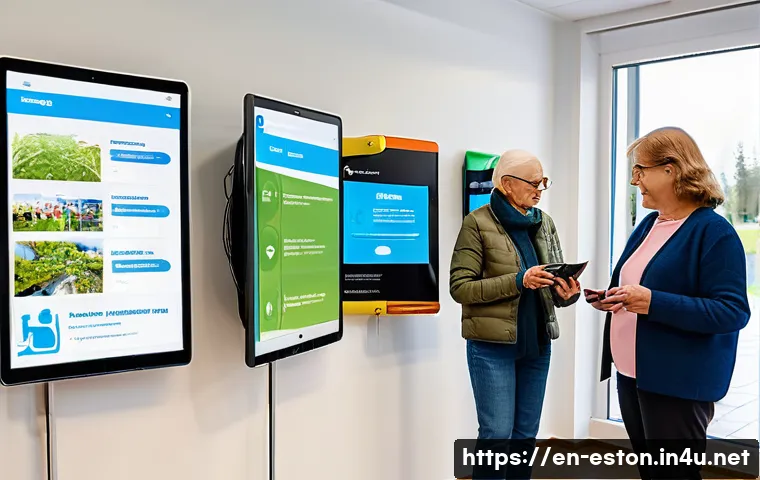
One of the reasons Estonia’s welfare system feels so accessible is the intuitive design of its digital platforms. Whether through desktop portals or mobile apps, the interfaces are clean, straightforward, and available in multiple languages.
I’ve seen firsthand how even older users, initially hesitant about technology, quickly adapt thanks to clear instructions and support. This ease of use drives higher engagement and satisfaction, crucial for maintaining trust in digital government services.
Personalized Notifications and Reminders
The system actively communicates with users via personalized alerts for upcoming appointments, benefit renewals, or health screenings. These reminders help prevent missed deadlines or lapses in coverage.
From a user perspective, it’s like having a digital assistant keeping tabs on your welfare needs. I appreciated how this feature reduces anxiety and helps people stay proactive about their health and benefits.
Continuous Innovation and Feedback Loops
Estonia’s approach is not static; it evolves based on citizen feedback and technological advances. Regular surveys and user input are integrated into system upgrades, ensuring that changes reflect real needs.
This responsiveness fosters a sense of ownership among users and encourages ongoing improvement. I found this dynamic aspect refreshing—it’s clear that Estonia views digital welfare as a living system, not just a bureaucratic tool.
Measuring Impact and Efficiency
Data-Driven Decision Making
The government leverages data analytics to monitor program effectiveness and identify areas needing attention. This evidence-based management ensures resources are directed where they have the greatest impact.
For example, trends in healthcare usage or social benefit uptake can highlight emerging challenges, allowing for timely policy adjustments. From what I gathered, this proactive stance helps maintain a high standard of service and prevents systemic overload.
Cost Savings and Resource Optimization
By automating administrative tasks and reducing redundancies, Estonia saves significant public funds. These savings can then be reinvested into expanding coverage or improving service quality.
My conversations with experts revealed that digital innovation has cut down bureaucratic costs by a notable margin, proving that technology can be a powerful ally in public welfare.
Citizen Satisfaction and Trust Levels
Surveys indicate that Estonians generally express high satisfaction with their welfare system, citing ease of use and fairness as key factors. Trust in government institutions has also strengthened due to the transparency enabled by digital tools.
This positive feedback loop encourages continued participation and compliance, further stabilizing the system.
| Aspect | Key Features | Benefits |
|---|---|---|
| Digital Infrastructure | Unified e-ID, blockchain security, mobile apps | Convenience, data security, real-time access |
| Social Programs | Targeted benefits, community support, rehabilitation | Inclusivity, empowerment, social equity |
| Health Insurance | Mandatory coverage, flexible plans, digital claims | Universal access, customization, efficiency |
| User Engagement | Intuitive interfaces, personalized alerts, feedback loops | Higher satisfaction, proactive management |
| System Performance | Data analytics, cost savings, transparency | Improved policy, resource optimization, trust |
Challenges and Future Directions
Addressing Digital Divide Concerns
Despite impressive digital adoption, some segments of the population still face barriers due to limited internet access or digital literacy. Estonia recognizes this gap and has introduced initiatives to provide training and infrastructure improvements in rural areas.
I found it encouraging that the government doesn’t overlook these challenges but actively seeks to make inclusion a priority. Bridging this divide is essential to ensure that no one is left behind as the system evolves.
Expanding Preventive and Mental Health Services
While Estonia’s health coverage is comprehensive, there is ongoing work to enhance preventive care and mental health support. The increasing awareness of mental health’s importance has spurred investments in digital counseling platforms and community outreach.
In discussions with healthcare professionals, I learned that these efforts aim to shift the focus from reactive to proactive care, ultimately reducing long-term costs and improving quality of life.
Integrating AI and Predictive Analytics
Looking ahead, Estonia plans to harness artificial intelligence to further personalize services and predict social risks. This could mean earlier interventions for vulnerable individuals or more efficient allocation of resources.
However, this also raises ethical questions about privacy and algorithmic bias. Based on what I’ve read and experienced, Estonia’s transparent approach and citizen involvement will be key to navigating these complexities responsibly.
Collaborative Governance and Citizen Participation
Open Data and Transparency
Estonia’s commitment to open government data fosters transparency and innovation. Citizens and developers alike can access datasets related to health, social welfare, and public spending.
This openness encourages third-party apps and services that complement official offerings, creating an ecosystem of support. I’ve seen examples where community-driven tools enhance accessibility and provide additional insights, showing how collaboration benefits everyone.
Participatory Policy Making
Involving citizens in decision-making processes strengthens the welfare system’s legitimacy. Estonia employs digital platforms where users can propose ideas, vote on initiatives, and provide feedback.
This democratic element ensures policies remain aligned with public needs and values. From my perspective, this participatory approach not only improves outcomes but also deepens civic engagement.
Cross-Sector Partnerships
The government actively collaborates with private companies, NGOs, and academic institutions to enhance welfare services. These partnerships bring in fresh expertise and resources, accelerating innovation.
For example, tech startups contribute cutting-edge solutions for healthcare monitoring, while social organizations provide grassroots support. This multi-stakeholder approach creates a resilient and adaptive welfare network.
Learning from Estonia’s Model
Scalability of Digital Welfare Systems
Estonia’s experience demonstrates that a small country can set a global example in digital welfare innovation. The key lies in building interoperable systems, prioritizing user experience, and maintaining strong data governance.
For other nations, replicating this model requires political will, investment, and a clear vision. Observing Estonia, it’s clear that technology alone isn’t enough—success depends on thoughtful design and continuous adaptation.
Balancing Innovation with Social Equity
The Estonian system strikes a delicate balance between cutting-edge technology and social fairness. By ensuring universal access and tailoring programs to diverse needs, it avoids the pitfalls of digital exclusion.
This balance is crucial for maintaining public trust and effectiveness. In my view, this lesson is vital for any country aiming to modernize its welfare infrastructure without leaving vulnerable populations behind.
Encouraging Citizen Empowerment
Finally, Estonia shows that empowering citizens through transparency, control over data, and active participation transforms welfare from a passive entitlement into a shared responsibility.
This shift fosters greater engagement and satisfaction, ultimately strengthening the social fabric. Having explored this system in depth, I’m convinced that citizen-centric design is the cornerstone of successful welfare reform.
Conclusion
Estonia’s welfare system showcases how technology can revolutionize public services by making them more efficient, transparent, and user-friendly. The seamless integration of digital tools empowers citizens while safeguarding their privacy, setting a benchmark for modern welfare frameworks worldwide. This model proves that innovation paired with inclusivity creates a resilient social support network that truly serves its people.
Useful Information to Keep in Mind
1. Estonia’s unified digital ID system simplifies access to multiple welfare services, saving time and reducing bureaucracy.
2. Real-time health data access enhances patient care and encourages proactive health management.
3. Advanced security measures like blockchain protect personal information and build citizen trust.
4. Social programs are tailored to individual needs, promoting fairness and inclusivity across different demographics.
5. Continuous citizen feedback and technological upgrades ensure the system remains responsive and effective.
Key Takeaways
Estonia’s welfare system stands out for its strong digital infrastructure that integrates services efficiently while maintaining high standards of data security and privacy. The blend of mandatory health coverage with flexible options supports universal access without compromising individual choice. Importantly, the system’s focus on user-friendly design and participatory governance fosters trust and engagement, making welfare a collaborative effort rather than a one-way service. Addressing challenges like the digital divide and expanding mental health care remain priorities as Estonia continues to innovate responsibly and inclusively.
Frequently Asked Questions (FAQ) 📖
Q: How does Estonia’s digital innovation improve access to social welfare and health services?
A: Estonia’s digital innovation significantly streamlines access by allowing residents to use a secure online portal for nearly all social welfare and health-related services.
From booking doctor appointments to applying for social benefits, the e-governance system eliminates long waits and paperwork. Personally, I found that having everything accessible online not only saves time but also reduces confusion, as all information is centralized and updated in real-time.
This transparency and ease of use are what set Estonia apart from many other countries.
Q: What types of social security programs are available in Estonia’s welfare system?
A: Estonia offers a variety of targeted social security programs that cover areas such as unemployment benefits, family support, disability assistance, and pension plans.
The system is designed to ensure that vulnerable groups receive tailored help without unnecessary bureaucracy. From my experience, the support felt comprehensive and well-coordinated, meaning that if you qualify for one program, it’s easier to discover and apply for others that might benefit you, all through the same digital interface.
Q: Is basic health care truly accessible to all residents in Estonia?
A: Yes, basic health care in Estonia is accessible to everyone legally residing in the country, thanks to universal coverage funded through health insurance contributions.
What I appreciated was how the digital system simplifies the process of finding health providers, accessing medical records, and even e-prescriptions, which reduces the hassle of physical visits.
This approach ensures that health care isn’t just available but also efficient and user-friendly, making it easier for people to stay on top of their health needs.