As the world eagerly embraces cultural diversity and authentic experiences, Estonia’s folk festivals stand out as vibrant celebrations that weave history, music, and community spirit into unforgettable moments.
This year, with travel regaining momentum, exploring these enchanting gatherings offers more than just entertainment—it’s a doorway into the heart of Estonian tradition.
Whether you’re a culture enthusiast or simply curious about unique festivities, joining these lively events reveals stories passed down through generations.
Let’s embark on a journey to uncover the magic behind Estonia’s folk festivals and see why they continue to captivate visitors from around the globe. Get ready to dive into a world where every dance, song, and craft tells a tale worth experiencing firsthand.
Immersing in Estonia’s Rhythmic Traditions
The Pulse of Ancient Melodies
Estonia’s folk festivals thrive on the heartbeats of traditional music that echo through verdant forests and historic town squares. What strikes me the most is how these melodies aren’t just sounds but living stories passed down with passion.
At one festival I attended, the haunting tunes of the kannel—a traditional string instrument—wove through the air, instantly transporting everyone to a time when communities gathered around fires to share tales.
The music’s hypnotic rhythms encourage spontaneous dancing, creating a shared moment of joy and connection. It’s not just about listening; it’s about feeling the culture vibrate in your bones.
Voices of the People: Singing Together
Choral singing is a cornerstone of Estonia’s cultural identity, and its folk festivals are a testament to this tradition. Crowds gather in unison, their voices rising in powerful harmony, often performing songs that date back centuries.
I remember being swept away by the sheer volume and emotion during a mass choir performance, where locals and visitors alike joined in. This collective singing isn’t just entertainment—it’s a communal act of preserving heritage and expressing unity.
The experience is profoundly moving, making you realize how music can bind people across generations and borders.
Modern Twists on Folk Classics
While the roots are firmly planted in tradition, these festivals also showcase how contemporary artists reinterpret folk music. I found myself captivated by performances where electronic beats blended seamlessly with folk instruments, creating a fresh yet familiar soundscape.
This fusion appeals not only to younger audiences but also introduces newcomers to Estonia’s rich musical heritage in an accessible way. Seeing tradition evolve rather than remain static gave me a sense of a living culture that respects its past while embracing innovation.
Craftsmanship and Timeless Artistry
Hands That Tell Stories
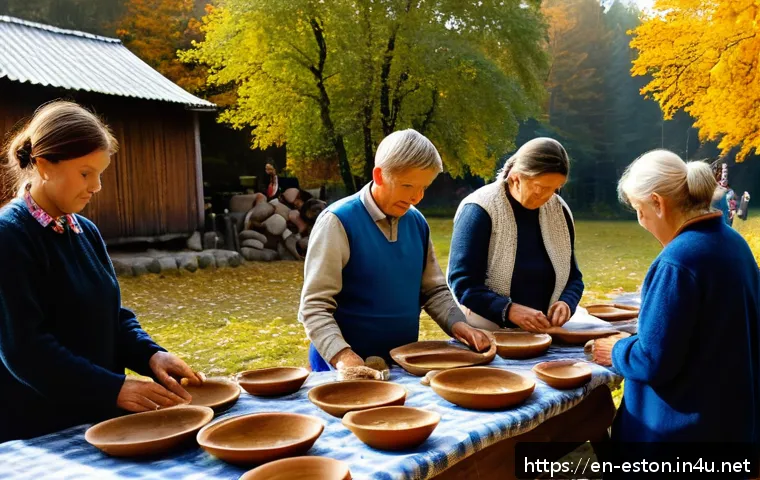
One of the most enchanting parts of Estonia’s folk festivals is the craft markets, where artisans display centuries-old techniques. Watching a craftsman carve intricate wooden patterns or weave delicate linen felt like watching history unfold before my eyes.
These crafts aren’t just souvenirs; they’re tangible connections to Estonia’s rural life and identity. I found myself drawn to the meticulous details and the stories behind each piece, realizing that every stitch or carving embodies a legacy of skill and passion.
Workshops That Invite Participation
What sets these festivals apart is their interactive spirit. Visitors aren’t just spectators but active participants in workshops led by master artisans.
I tried my hand at traditional pottery and was pleasantly surprised by how immersive and rewarding the experience was. These workshops foster a deeper appreciation for the craft, allowing you to understand the patience and creativity involved.
Plus, leaving with something handmade adds a personal touch to your journey, creating memories that last long after the festival ends.
Preserving Culture Through Creativity
Beyond entertainment, these crafts play a crucial role in cultural preservation. I noticed how artisans and festival organizers actively engage younger generations, teaching them not only techniques but also the significance behind the crafts.
This mentorship ensures that these art forms don’t fade away with time. Experiencing this dedication firsthand made me appreciate the community’s efforts to maintain a vibrant cultural identity, where tradition and creativity coexist harmoniously.
Seasonal Festivities and Their Unique Flavors
Spring Awakening Celebrations
Spring festivals in Estonia are vibrant expressions of renewal and hope, deeply rooted in ancient customs. I attended a Midsummer’s Eve celebration where the entire community gathered to light bonfires, sing, and dance under the midnight sun.
The air was thick with a sense of magic, as locals shared stories about the symbolic meanings behind each ritual. The blend of nature’s awakening and human festivity created an atmosphere that felt both sacred and exhilarating.
Harvest Time Revelries
Autumn brings a different kind of energy, celebrating the fruits of labor with gratitude and joy. At a harvest festival I joined, the community showcased traditional foods, from rye bread to smoked fish, alongside lively folk dances.
The warmth of shared meals and laughter contrasted beautifully with the crisp fall air. It was clear that these gatherings serve as a vital link between people and the land, reminding everyone of the cycles that sustain life and culture.
Winter Traditions of Light and Warmth
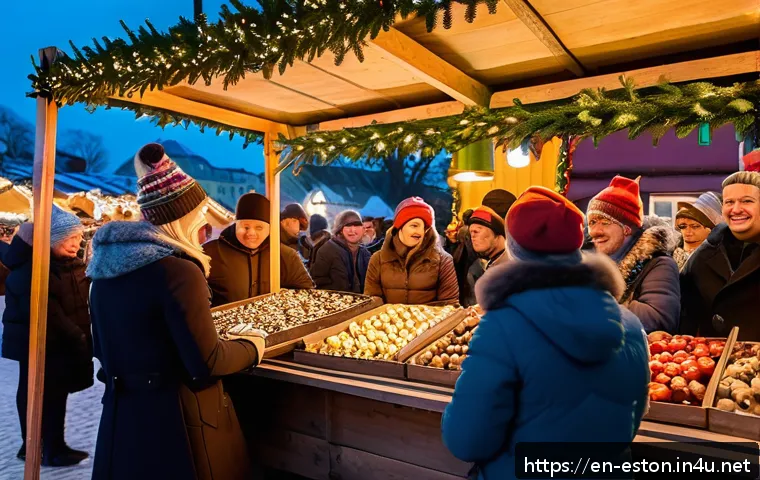
Despite Estonia’s chilly winters, folk festivals during this season radiate warmth and togetherness. I experienced a Christmas market where hand-crafted ornaments, mulled wine, and folk tales created an inviting ambiance.
The festival’s charm lies in its ability to turn cold, dark days into celebrations filled with light and community spirit. These winter traditions offer a cozy refuge, inviting both locals and travelers to share in the joy of the season.
Culinary Delights Rooted in Tradition
Flavors That Tell a Story
Food at Estonian folk festivals goes beyond mere sustenance; it’s a delicious narrative of the country’s agricultural heritage and regional diversity.
Sampling dishes like kama—a mix of roasted barley, rye, oat, and pea flour—gave me a taste of ancient diets that have nourished generations. The blend of simple ingredients prepared with care reflects a deep respect for the land and its bounty, creating flavors that are both rustic and comforting.
Festive Feasts and Communal Eating
One of my favorite moments was sitting at long wooden tables, sharing hearty meals with strangers who quickly felt like friends. These communal feasts foster a sense of belonging, where stories and laughter flow as freely as the traditional drinks.
The act of eating together transcends cultural barriers, inviting everyone to savor the moment and the shared heritage behind each dish.
Modern Takes on Classic Recipes
Just like with music, culinary innovation breathes new life into traditional Estonian fare. I encountered chefs who creatively incorporate local ingredients into contemporary presentations, making old recipes exciting and accessible.
This culinary evolution highlights how Estonia’s food culture honors its roots while appealing to modern palates, offering festival-goers a diverse and memorable dining experience.
Community Spirit and Cultural Connection
Bringing Generations Together
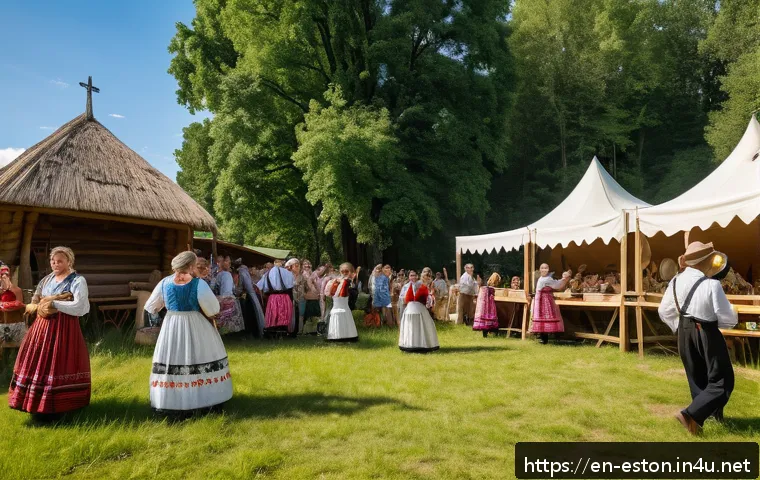
What truly touched me at these festivals was the palpable sense of community. People of all ages, from toddlers to elders, come together to celebrate shared heritage.
I observed grandparents teaching grandchildren traditional dances, and young adults organizing performances that highlight local history. This intergenerational exchange is a beautiful reminder of how culture thrives through connection and continuity.
Welcoming Visitors as Part of the Family
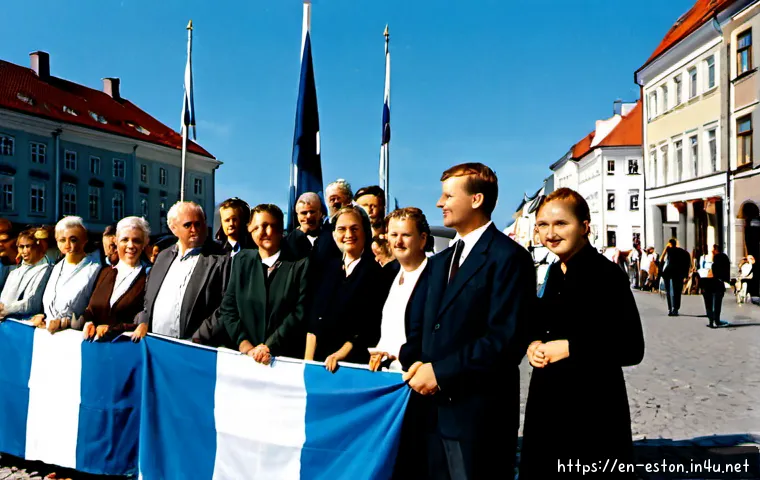
Estonians are incredibly warm and open during these festivals, making visitors feel instantly included. I was invited to join a circle dance despite being a stranger, and that simple gesture made the experience unforgettable.
This openness transforms festivals into more than cultural showcases—they become spaces of genuine human connection where differences melt away in shared celebration.
Volunteering and Cultural Stewardship
Many locals volunteer their time and skills to ensure these festivals run smoothly and authentically. I joined a volunteer group once and was amazed at the dedication involved—from crafting decorations to guiding visitors.
This commitment reflects a collective pride in cultural heritage and a desire to pass it forward. Participating in such efforts offers a deeper understanding of the values underpinning these vibrant events.
Essential Festival Information at a Glance
| Festival Name | Season | Location | Main Attractions | Typical Activities |
|---|---|---|---|---|
| Viljandi Folk Music Festival | Summer | Viljandi | Traditional and contemporary folk music | Concerts, workshops, dance sessions |
| Seto Kingdom Day | Summer | Setomaa region | Seto culture, singing, and handicrafts | Parades, singing contests, craft markets |
| Jõgeva Folk Festival | Autumn | Jõgeva | Harvest celebrations and folk traditions | Food fairs, dances, storytelling |
| Christmas Market in Tallinn | Winter | Tallinn | Holiday crafts and festive foods | Markets, performances, workshops |
Experiencing the Festivals Beyond the Events
Exploring Local Villages and Traditions
Beyond the main festival sites, wandering into nearby villages offers a glimpse of everyday life steeped in tradition. I found that the quieter moments—chatting with locals, visiting small museums, or simply observing daily routines—added depth to my understanding.
These experiences enrich the festival atmosphere, reminding you that these celebrations are part of a living culture, not isolated spectacles.
Capturing Memories Through Photography
The vivid colors, lively performances, and heartfelt expressions make Estonia’s folk festivals a photographer’s dream. I always recommend taking your time to capture candid moments rather than just posed shots.
These genuine glimpses tell richer stories and preserve the spirit of the festival. Plus, sharing your photos can inspire others to experience this unique cultural treasure firsthand.
Staying Longer to Absorb the Culture
If possible, extending your stay beyond the festival days can be incredibly rewarding. I discovered that spending extra time allows you to attend smaller events, explore local cuisine in depth, and forge meaningful connections.
This slower pace lets you absorb the nuances of Estonian culture and creates a more personal and lasting travel experience. It’s a subtle yet powerful way to transform a visit into a true cultural immersion.
In Closing
Estonia’s folk festivals offer a unique window into a culture where tradition and innovation dance together in harmony. Experiencing the music, crafts, and community spirit firsthand reveals a living heritage that warmly invites participation. Whether through song, food, or celebration, these festivals leave a lasting impression of connection and joy. They remind us that culture is not just preserved but actively lived and shared.
Useful Information to Know
1. Most Estonian folk festivals are seasonal, aligning with nature’s rhythms, so plan your visit accordingly to catch the most vibrant celebrations.
2. Participating in workshops or communal activities greatly enriches your experience by allowing hands-on engagement with traditions.
3. Local cuisine at these events reflects deep-rooted agricultural practices—trying traditional dishes offers insight into Estonia’s history and landscape.
4. Visitors are welcomed warmly and often included in dances and songs, making the festivals feel like communal gatherings rather than mere performances.
5. Extending your stay beyond the festival days lets you explore surrounding villages and truly immerse yourself in the cultural fabric of the region.
Key Takeaways
Estonia’s folk festivals are vibrant celebrations where music, craft, food, and community intertwine to preserve and evolve cultural heritage. Active participation and openness among locals make these events immersive and memorable. Planning visits around seasonal festivals, engaging in workshops, and exploring beyond the main events deepen understanding and appreciation. Ultimately, these festivals exemplify how tradition can thrive dynamically, offering visitors a genuine, heartfelt connection to Estonia’s rich cultural tapestry.
Frequently Asked Questions (FAQ) 📖
Q: uestions about Estonia’s Folk FestivalsQ1: When are Estonia’s main folk festivals held, and how can visitors participate?
A: Estonia’s key folk festivals typically take place during the summer months, especially June through August, when the weather is most favorable for outdoor celebrations.
The Song and Dance Festival, held every five years, is a major highlight attracting thousands worldwide. Visitors can join by purchasing tickets in advance or attending open events that often include workshops, concerts, and craft markets.
It’s best to check official festival websites ahead of your trip for schedules and participation details, as many events encourage audience involvement, from dancing to singing along.
Q: What makes Estonia’s folk festivals unique compared to other European cultural events?
A: What truly sets Estonia’s folk festivals apart is their deep-rooted connection to national identity and community spirit. These gatherings are not just performances but living traditions where locals actively preserve ancient songs, dances, and crafts passed down through generations.
The scale and passion of the Song and Dance Festival, for example, is remarkable—thousands of performers singing in harmony create an atmosphere charged with emotion and pride.
Unlike some commercialized festivals, Estonia’s events maintain authenticity, offering visitors an immersive experience that feels both intimate and grand at the same time.
Q: Are there opportunities for tourists to learn traditional Estonian crafts or dances during these festivals?
A: Absolutely! Many folk festivals in Estonia provide interactive workshops where visitors can learn traditional crafts such as weaving, embroidery, and woodcarving, often guided by skilled artisans.
Dance sessions are also popular, with instructors teaching traditional steps and encouraging everyone to join in, regardless of prior experience. From my own visit, I found these hands-on activities to be the highlight—connecting with locals in this way made the culture come alive beyond just watching performances.
So if you want a genuine cultural exchange, these festivals offer perfect chances to roll up your sleeves and dive right in.