In today’s hyper-connected world, staying online seamlessly is more important than ever, especially when traveling. Estonia, known for its digital innovation, offers some of the fastest and most secure Wi-Fi networks you can find anywhere.
Whether you’re exploring Tallinn’s historic streets or working remotely from a cozy café in Tartu, knowing how to tap into these reliable connections can transform your experience.
With recent upgrades in nationwide infrastructure and cutting-edge security protocols, accessing the internet here is smoother and safer than ever. Let’s dive into how you can unlock Estonia’s internet secrets and enjoy fast, secure Wi-Fi no matter where you roam.
Finding the Best Spots for Reliable Connectivity
Popular Cafés with Strong Wi-Fi
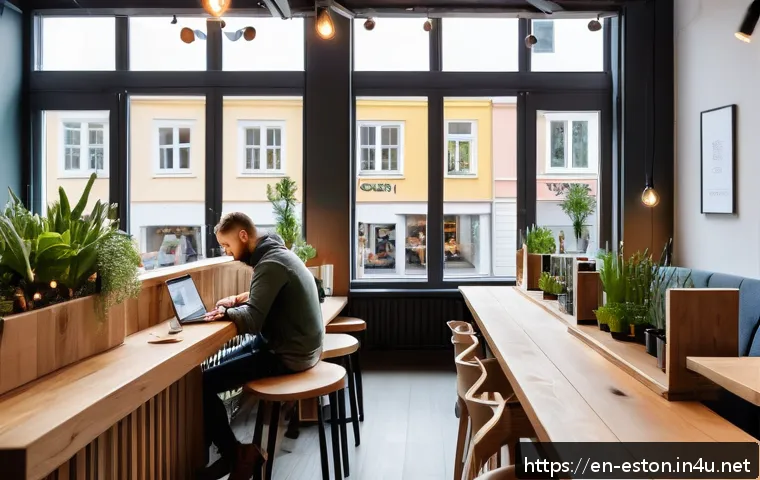
If you’re hunting for a cozy spot to work or relax while staying connected, Estonia’s café culture won’t disappoint. Places like RØST in Tallinn and Werner Café in Tartu are well-known among locals and travelers alike for their fast and stable Wi-Fi networks.
I’ve spent hours typing away in these spots without any frustrating drops in connection, which is a game-changer when deadlines loom or you just want to stream a quick video.
The vibe is friendly, and baristas often speak English fluently, making it easy to ask about network passwords or plug in your device comfortably.
Public Spaces Offering Free Internet
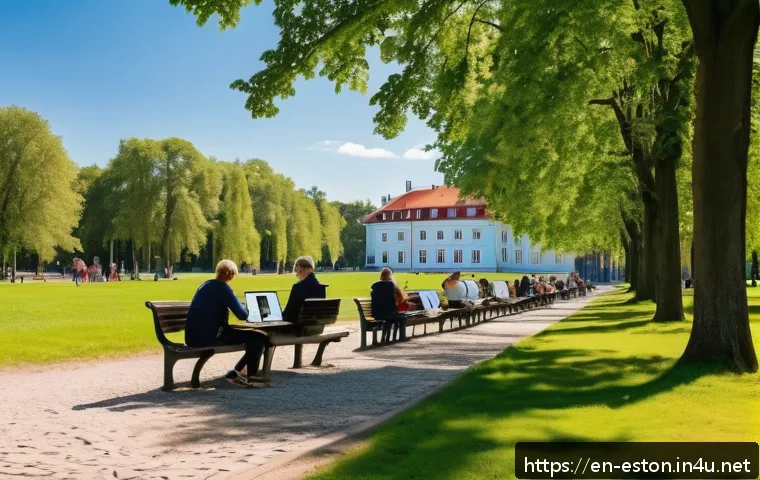
Estonia’s public Wi-Fi infrastructure is impressive. Parks like Kadriorg Park in Tallinn or Freedom Square offer free Wi-Fi that’s surprisingly fast. While using these networks, I recommend connecting through a VPN for added security, especially since these are open connections.
The convenience of being able to check maps, book tickets, or chat with friends without worrying about data limits is something I personally appreciate when exploring on foot or taking a break outdoors.
Libraries and Co-working Hubs
For those who need a quieter, more professional environment, Estonia’s libraries and co-working spaces provide excellent internet access. The Tallinn Central Library and Tartu’s Lift99 co-working space are equipped with high-speed connections that rarely falter.
During my visits, I noticed these places also offer power outlets and ergonomic seating, perfect for longer working sessions. Many co-working hubs also host networking events, a great bonus if you’re looking to meet fellow digital nomads or local entrepreneurs.
How to Secure Your Connection While Traveling
Using VPNs to Protect Your Data
Even though Estonia is known for its secure digital infrastructure, public Wi-Fi can still pose risks. I always recommend using a reliable VPN service, especially when handling sensitive information or accessing work accounts.
VPNs encrypt your traffic, making it much harder for hackers to intercept your data. From my experience, apps like NordVPN or ExpressVPN work seamlessly in Estonia, providing peace of mind without slowing down your connection.
Understanding Network Authentication Methods
Most Estonian public networks use WPA2 encryption or require simple sign-in through a captive portal. Sometimes you’ll need to register with your phone number or email to gain access.
I found that having a local SIM card handy speeds up this process, but many places also allow guest access with minimal hassle. Be mindful of phishing attempts and always double-check you’re connecting to the official network—if the network name looks suspicious or you’re prompted for excessive personal info, it’s better to avoid it.
Tips for Managing Data Usage Efficiently
While Wi-Fi is abundant, some connections may have bandwidth limits or slow down during peak hours. I usually keep an eye on my data consumption by disabling automatic updates and reducing video quality on streaming apps.
Downloading important files ahead of time or using offline modes in apps like Google Maps can save you from unexpected slowdowns. This approach helped me stay productive and entertained without constantly hunting for better connections.
Getting the Most Out of Estonia’s Mobile Networks
Choosing the Right Local SIM Card
Buying a local SIM card is one of the smartest moves for anyone staying in Estonia longer than a few days. Providers like Telia, Elisa, and Tele2 offer competitive prepaid plans with generous data packages.
When I picked up a SIM at the airport kiosk, the activation was quick, and the staff helped me select the best plan for my needs. With local data, you can access mobile hotspots, GPS services, and instant messaging without worrying about roaming fees.
Network Coverage Beyond Major Cities
Estonia’s mobile networks cover most urban and rural areas, but signal strength varies. During a road trip to Saaremaa Island, I noticed that some remote spots had weaker reception.
Planning ahead by checking coverage maps online helped me avoid getting offline unexpectedly. If you’re venturing off the beaten path, downloading offline resources and keeping a backup Wi-Fi device can be a lifesaver.
Combining Mobile Data with Wi-Fi for Seamless Access
Using your phone as a personal hotspot is an excellent way to extend internet access to your laptop or tablet, especially when Wi-Fi is spotty. I often toggle between local SIM data and free Wi-Fi to maintain a steady connection.
This flexibility allowed me to attend video calls and upload work files without interruptions, even in less populated areas.
Understanding Estonia’s Digital Identity and e-Residency Benefits
How e-Residency Enhances Digital Access
Estonia’s e-Residency program isn’t just about business; it also opens doors to a suite of digital services that simplify online life. If you’re a digital nomad or entrepreneur, having e-Residency means you can securely sign documents, manage banking, and access government services remotely.
I’ve seen people use their digital ID to log into Wi-Fi networks linked to government portals, which adds an extra layer of trust and speed.
Using Digital ID for Secure Wi-Fi Access
Some public and private networks in Estonia are linked to the national digital ID system. This means instead of using a generic password, you authenticate your identity through a secure digital certificate.
From what I’ve experienced, this method drastically reduces the risk of fraud and simplifies network access—no more hunting for passwords or dealing with complicated sign-in pages.
Future Trends in Estonia’s Digital Infrastructure
Estonia is continuously upgrading its internet ecosystem. Plans include expanding 5G coverage and integrating more IoT devices into public networks to enhance connectivity and security.
For travelers and remote workers, this means even faster, more reliable internet access in the near future. As someone who keeps an eye on tech developments here, I’m excited about how these innovations will make digital life even smoother.
Essential Apps and Tools for Navigating Connectivity
Wi-Fi Finder and Speed Test Apps
When I’m out and about, apps like WiFi Map and Speedtest by Ookla are my go-to tools. They help locate nearby networks and verify their speed before connecting.
This saves time and avoids frustrating moments spent trying to connect to weak or overloaded networks. Many users share real-time feedback on these apps, so you get a crowd-sourced view of the best spots.
Password Managers for Seamless Access
Keeping track of multiple Wi-Fi passwords can get tricky, especially if you’re hopping between cafés and public spaces. Using a password manager like LastPass or 1Password has been a lifesaver for me, securely storing network credentials and autofilling them when needed.
It reduces the hassle and keeps your data safe from prying eyes.
Offline Tools for Work and Travel
Sometimes, even the best connectivity can falter. Preparing for this by downloading offline versions of documents, maps, and entertainment apps is a smart move.
I often use Google Docs offline mode and download Spotify playlists to keep working and enjoying downtime without interruptions. This balance between being online and offline has made my Estonia trips far less stressful.
Comparing Estonia’s Internet Options at a Glance
| Internet Access Type | Typical Speed | Security Level | Best For | Cost |
|---|---|---|---|---|
| Public Wi-Fi (Parks, Squares) | 10-30 Mbps | Medium (use VPN recommended) | Casual browsing, quick check-ins | Free |
| Café and Library Networks | 50-100 Mbps | High (WPA2 encryption) | Remote work, streaming | Free with purchase or membership |
| Local Mobile Data (Prepaid SIM) | 100 Mbps+ (4G/5G) | High | Mobile hotspot, traveling off-grid | €10-€30 per month |
| Co-working Space Internet | 100+ Mbps (Dedicated) | Very High | Long-term work, meetings | €50-€150/month |
Conclusion
Estonia offers a seamless blend of reliable connectivity options, from cozy cafés to advanced digital infrastructure. Whether you’re a remote worker, traveler, or digital entrepreneur, the country’s diverse internet access points and security features make staying connected effortless. Embracing local SIM cards, VPNs, and smart tools enhances both convenience and safety. With continuous tech upgrades on the horizon, Estonia remains a top destination for anyone valuing strong and secure internet access.
Useful Tips to Remember
1. Always carry a local SIM card to enjoy affordable and fast mobile data throughout Estonia.
2. Use a VPN when connecting to public Wi-Fi to protect your personal information from potential cyber threats.
3. Take advantage of password managers to securely store and quickly access various network credentials.
4. Prepare offline versions of essential documents and entertainment to stay productive during connectivity gaps.
5. Check coverage maps before traveling to remote areas to avoid unexpected signal loss and plan backup options.
Key Takeaways
Estonia’s internet landscape is robust and user-friendly, catering to casual users and professionals alike. Public and private networks offer a range of speeds and security levels, so it’s crucial to assess your needs before connecting. Leveraging local digital identity systems and e-Residency benefits can simplify access and boost security. Being proactive with tools like VPNs and offline apps ensures uninterrupted productivity and a safer online experience while enjoying Estonia’s digital environment.
Frequently Asked Questions (FAQ) 📖
Q: How can I access free public Wi-Fi in Estonia?
A: In Estonia, free public Wi-Fi is widely available, especially in urban areas like Tallinn and Tartu. You can find it in cafes, libraries, shopping centers, and even some public parks.
To connect, simply look for networks named “Estonia WiFi” or similar. Most require a quick registration via your phone number or email, which usually takes less than a minute.
From my experience, once connected, the service is stable and fast, perfect for browsing or light work on the go.
Q: Is it safe to use public Wi-Fi networks in Estonia?
A: Estonia places a strong emphasis on cybersecurity, and their public Wi-Fi networks incorporate advanced security protocols to protect users. That said, it’s always smart to use a VPN for extra security, especially if you’re handling sensitive information.
Personally, I found that the combination of Estonia’s secure infrastructure and a trusted VPN app gave me peace of mind when working remotely from cafes or co-working spaces.
Q: What should I do if I experience connectivity issues while using Wi-Fi in Estonia?
A: Although Estonia boasts excellent Wi-Fi coverage, occasional connectivity hiccups can happen, especially in crowded spots. If you face issues, try reconnecting or switching to another nearby network.
Many establishments have their own guest networks, so asking staff for the best connection helps. I also recommend keeping your device’s software updated and toggling airplane mode briefly to reset your connection.
In my trips, these simple steps usually resolved any minor disruptions quickly.