With Estonia gaining attention as a top destination for remote workers and digital nomads, understanding the true cost of living here in 2024 has never been more important.
Whether you’re planning a move or just curious about daily expenses, knowing what to expect can save you both time and money. From housing and groceries to entertainment and transportation, this guide breaks down essential costs based on real-life experiences and up-to-date data.
Let’s dive into what living in Estonia really looks like today, so you can make informed decisions and enjoy your new chapter with confidence. Stick around as we uncover practical tips and surprising insights that go beyond the usual numbers.
Housing and Accommodation Realities in Estonia
Rental Market: What to Expect Month to Month
Finding a place to live in Estonia can feel like a breeze or a bit of a puzzle, depending on where you look. In Tallinn, the capital, rental prices tend to be higher but still reasonable compared to many Western European cities.
For example, a one-bedroom apartment in the city center typically ranges between €600 and €900 per month. Venturing outside the center, you might find places for about €400 to €600, which is perfect if you don’t mind a short commute.
I’ve personally noticed that flats in smaller cities like Tartu or Pärnu can be 30-50% cheaper, making them attractive options for remote workers seeking a quieter lifestyle.
Keep in mind that utilities—electricity, heating, water, and garbage—often add an extra €100 to €150 monthly, depending on the season. Winters are cold, so heating bills can spike, but summers bring a pleasant relief to those costs.
Long-Term Stays and Shared Housing
For digital nomads or remote workers staying longer, shared housing is a popular and budget-friendly option. Many expats and locals alike use platforms like Facebook groups or local websites to find roommates, which can cut rental costs by half or more.
Shared flats often come furnished and include utilities, making the move-in process easier. I’ve found that this setup also creates a social environment, which is a bonus if you’re new to Estonia and want to build connections.
If you’re planning to stay for several months or more, signing a contract can sometimes get you a better monthly rate or perks like free internet.
Buying Property: Is It Worth Considering?
Buying property in Estonia is increasingly popular, especially with the rise of digital nomad visas and remote work permits. However, the market is still affordable compared to many EU countries.
Expect to pay anywhere from €2,000 to €3,500 per square meter in Tallinn, with prices dropping significantly outside the capital. It’s worth noting that the process is straightforward for foreigners, and property taxes are relatively low.
Personally, I’ve seen friends invest in small apartments in Tartu, which they rent out when not in use. This can be a smart move if you plan to split your time between Estonia and another country, but for most remote workers, renting remains the easiest and most flexible option.
Groceries and Everyday Food Expenses
Local Markets Versus Supermarkets
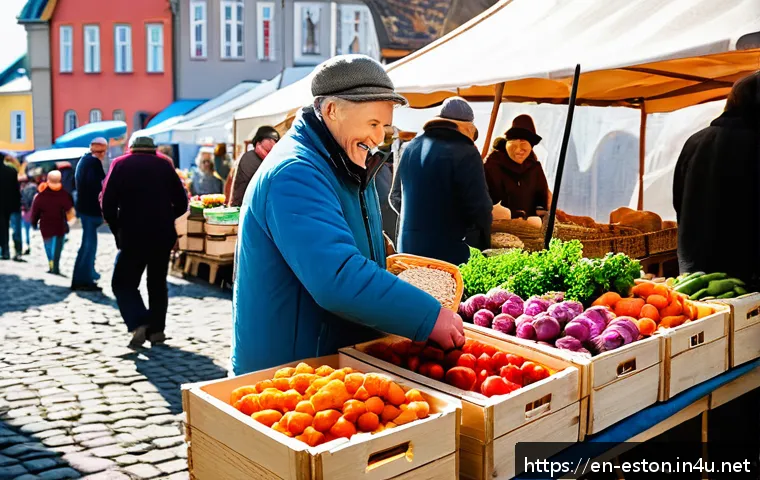
Eating well on a budget in Estonia is quite doable, especially if you embrace local markets. Fresh produce like root vegetables, berries, and dairy products are abundant and affordable at weekend farmers’ markets.
I always recommend trying these for the freshest ingredients and a taste of Estonian culture. Supermarkets like Selver, Rimi, and Prisma offer a wide variety of international and local products, but prices can vary quite a bit.
For example, a liter of milk costs around €0.90, while a loaf of bread might be €1.20. If you’re used to dining out frequently, cooking at home can reduce your food costs significantly.
Eating Out: Cafés and Restaurants
Dining out in Estonia doesn’t have to break the bank. Casual cafés and lunch spots offer meals for about €6 to €12, which is perfect for a quick, satisfying bite during work breaks.
In Tallinn’s Old Town and other touristy areas, prices are higher, but you can still find hidden gems with excellent local cuisine at moderate prices.
I’ve found that exploring neighborhoods like Kalamaja or Telliskivi reveals many affordable restaurants where you can enjoy hearty Estonian dishes or international fare.
For a more upscale experience, expect to pay around €20 to €40 per person, but this is optional rather than the norm for everyday dining.
Typical Grocery Cost Breakdown
| Item | Average Price (€) | Notes |
|---|---|---|
| Milk (1 liter) | 0.90 | Local brands are cheaper |
| Bread (500g) | 1.20 | Traditional rye bread is common |
| Eggs (12) | 2.00 | Organic eggs cost more |
| Chicken breast (1kg) | 5.50 | Fresh is preferable |
| Apples (1kg) | 1.50 | Seasonal prices vary |
| Cheese (1kg) | 8.00 | Local cheeses are affordable |
Getting Around: Transportation Costs and Tips
Public Transport: Affordable and Reliable
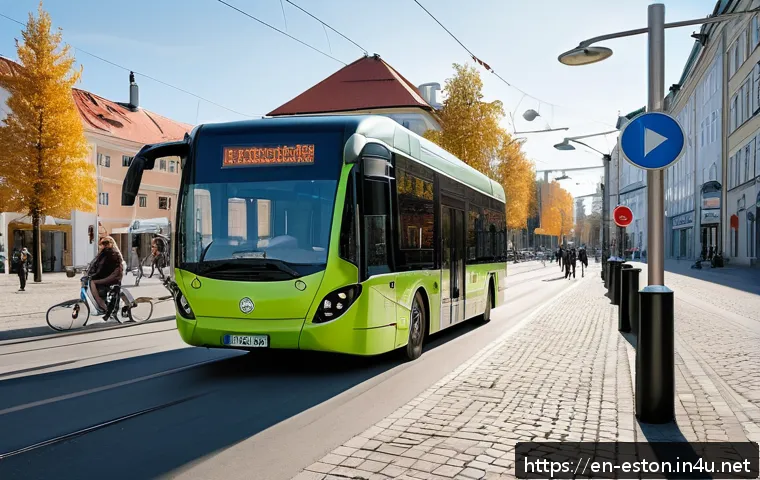
Estonia’s public transport system is surprisingly efficient and budget-friendly. Tallinn, in particular, offers free public transportation to its residents, which is a huge perk if you register your address in the city.
Other cities like Tartu and Narva have low-cost buses and trams that keep commuting expenses minimal. I’ve always found the schedules punctual and routes well-connected, making it easy to get around without a car.
Monthly passes outside Tallinn generally cost between €20 and €30, which is very reasonable compared to many European countries.
Driving and Car Ownership
Owning a car in Estonia is convenient, especially if you live outside city centers or plan to explore the countryside. Fuel prices fluctuate but hover around €1.50 per liter of petrol.
Parking in Tallinn can be pricey in the central areas, often around €1.50 per hour, but suburbs offer free or cheaper options. Maintenance and insurance costs are relatively low, and roads are well-maintained.
Personally, I’d recommend renting a car only when needed for trips outside the city, as public transport covers most urban needs efficiently.
Alternative Transportation Options
Cycling and electric scooters have become increasingly popular, especially in warmer months. Tallinn and other cities have dedicated bike lanes and rental services that are easy to use.
I’ve enjoyed hopping on an e-scooter for short trips, which costs about €1 to unlock plus €0.15 per minute. This option is not only fun but also great for avoiding traffic and parking hassles.
Walking remains a favorite pastime in Estonia’s walkable city centers and along the beautiful seaside promenades.
Entertainment and Lifestyle Expenses You Should Know
Leisure Activities and Fitness
Keeping active and entertained in Estonia won’t drain your wallet. Gym memberships typically range from €25 to €50 per month, depending on the facilities and location.
Many parks and outdoor spaces are free and well-maintained, making jogging, cycling, or simply relaxing in nature a daily possibility. I personally love the affordable swimming pools and sports halls scattered around cities, which often have discounted entry during off-peak hours.
For cultural experiences, theaters, concerts, and festivals offer tickets in the €10 to €30 range, with student and early-bird discounts commonly available.
Socializing and Nightlife
Going out for drinks or social events is generally affordable. A pint of beer costs around €3 to €4 in most bars, while cocktails can be between €6 and €10.
I’ve noticed that locals favor cozy pubs and craft beer spots, which are perfect for meeting new people without overspending. Nightclubs and live music venues often have cover charges, but these are usually under €10.
If you’re on a budget, happy hour deals and weekday specials are your best friends.
Streaming, Internet, and Digital Services
High-speed internet is widely available and reasonably priced, with monthly packages starting around €20 for 100 Mbps. Streaming services like Netflix, Spotify, and local alternatives are similarly priced to other European countries, generally €8 to €15 per month.
For remote workers, co-working spaces are popping up in all major cities, with daily rates around €10 to €20 and monthly subscriptions offering better value.
I’ve found that these spaces not only provide fast Wi-Fi but also a community vibe that helps beat the loneliness of working remotely.
Healthcare and Insurance Costs for Expats
Public Healthcare System Access
Estonia boasts a solid public healthcare system funded by social tax payments. If you’re employed or a resident with health insurance, most basic medical services are free or require minimal co-payments.
I’ve personally had smooth experiences with general practitioners and emergency care, which are accessible without long waits. Pharmacies are well-stocked, and medications are reasonably priced, though some specialized drugs can be costly without insurance.
Private Healthcare and Additional Coverage
For those who prefer faster service or English-speaking doctors, private healthcare clinics are widespread, with consultation fees typically between €30 and €70.
Many expats opt for private insurance plans to cover these costs, which can range from €50 to €100 monthly depending on coverage level and age. I recommend comparing different insurers and considering your health needs carefully before making a choice.
Preventive care and dental services are often better accessed privately, though prices can vary.
Pharmacies and Over-the-Counter Costs
Over-the-counter medicines and health products are affordable and easily found in pharmacies. Common items like painkillers, cold remedies, and vitamins usually cost between €3 and €10.
I’ve found that pharmacists are helpful and willing to advise on minor ailments, which is a big plus if you’re navigating a new healthcare system. It’s wise to keep some basic medicines on hand, especially during the long winter months when colds and flu are more frequent.
Utilities and Communication Expenses Demystified
Monthly Utility Bills Breakdown
Utilities in Estonia are generally affordable but can vary with the season. During winter, heating bills can rise significantly, sometimes doubling compared to summer months.
On average, expect to pay between €100 and €150 monthly for electricity, heating, water, and waste disposal in a one-bedroom apartment. I’ve noticed that many newer buildings use efficient heating systems, which helps keep costs down.
It’s also common for landlords to include some utilities in the rent, so be sure to clarify this before signing any agreement.
Mobile Plans and Internet Connectivity
Mobile phone plans are competitively priced, with basic packages starting at around €10 per month for unlimited calls and texts plus a moderate data allowance.
For heavy data users, plans with 10GB or more range between €15 and €25. Estonia’s 4G and expanding 5G networks provide excellent coverage, even in rural areas.
Internet for home use is widely available with speeds of 100 Mbps or higher at affordable prices, making it easy to stay connected for both work and leisure.
Saving on Utilities and Communication
To keep your bills manageable, consider a few practical tips: turning off heating or air conditioning when not home, using energy-efficient appliances, and opting for bundled internet and mobile packages.
I’ve personally saved a fair bit by switching to a prepaid mobile plan that lets me control expenses and avoid surprises. Also, many cafes and public spaces offer free Wi-Fi, which is handy when you’re out and about.
Estonia’s digital infrastructure is designed to support a connected lifestyle without breaking the bank.
In Conclusion
Estonia offers a unique blend of affordability and quality when it comes to housing, daily expenses, and lifestyle. Whether you’re renting in the city or exploring shared living options, the market adapts well to different needs. Everyday costs like groceries and transport remain manageable, while digital infrastructure supports modern remote work. Overall, Estonia stands out as a practical and welcoming place for expats and remote workers alike.
Helpful Information to Keep in Mind
1. Registering your address in Tallinn grants you free public transport, a significant saving for daily commuters.
2. Shared housing not only lowers costs but also helps build social connections, easing the transition into Estonian life.
3. Local markets are excellent for fresh, affordable produce and offer a genuine taste of Estonian culture.
4. Consider private health insurance if you prefer quicker access to English-speaking doctors and specialized care.
5. Energy-saving habits and bundled communication plans can noticeably reduce your monthly utility bills.
Key Takeaways
Understanding Estonia’s rental market dynamics and seasonal utility variations can help you budget effectively. Embracing local food markets and public transport options will maximize your savings while enriching your experience. Additionally, exploring private healthcare and flexible mobile plans ensures you stay comfortable and connected without overspending. These insights make settling into Estonia smoother and more enjoyable for newcomers.
Frequently Asked Questions (FAQ) 📖
Q: How affordable is housing in Estonia for remote workers in 2024?
A: Housing in Estonia remains quite affordable compared to many Western European countries, especially outside of the capital, Tallinn. Renting a one-bedroom apartment in Tallinn’s city center typically costs around €600-€800 per month, while outside the center, prices can drop to €400-€600.
For remote workers who prioritize comfort but want to save, exploring neighborhoods just a bit further from downtown can offer great value. Personally, I found that sharing a flat or opting for a co-living space not only reduced costs but also helped build a local network quickly.
Q: What are the typical monthly expenses for groceries and eating out in Estonia?
A: Groceries in Estonia are reasonably priced, with a monthly budget of about €200-€300 being sufficient for a single person who cooks most meals at home.
Local markets and supermarkets offer fresh produce, dairy, and meats at fair prices, and I’ve noticed that seasonal items are especially good deals. Eating out is generally affordable too, with casual dining or cafés averaging around €8-€15 per meal.
For those who enjoy socializing or occasional treats, budgeting an extra €100-€150 monthly for dining out can keep things balanced without breaking the bank.
Q: How convenient and costly is transportation for daily commuting in Estonia?
A: Public transportation in Estonia, particularly in Tallinn, is efficient and budget-friendly. Tallinn offers free public transport to registered residents, which is a huge perk for expats and remote workers settling in the city.
Outside the capital, buses and trams are available with tickets usually costing about €1-€2 per ride. For those living in smaller towns or rural areas, owning a car might be necessary, with fuel prices and maintenance costs to consider.
From my experience, using a bike or scooter is also quite popular and economical, especially during warmer months, adding a fun and active dimension to daily commuting.