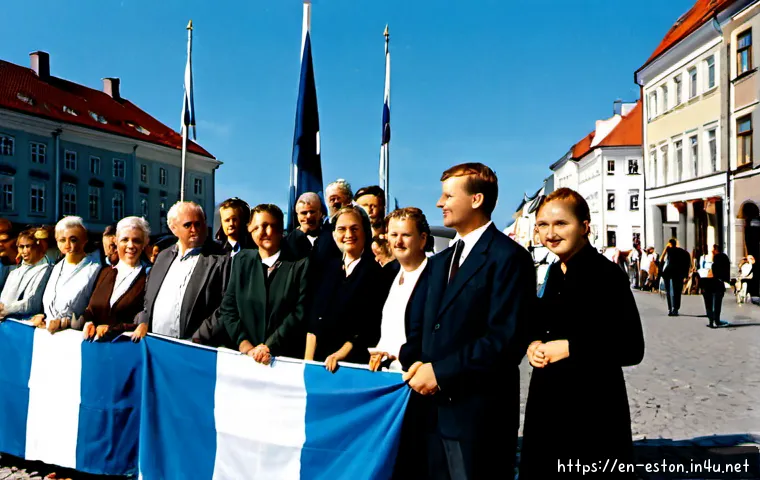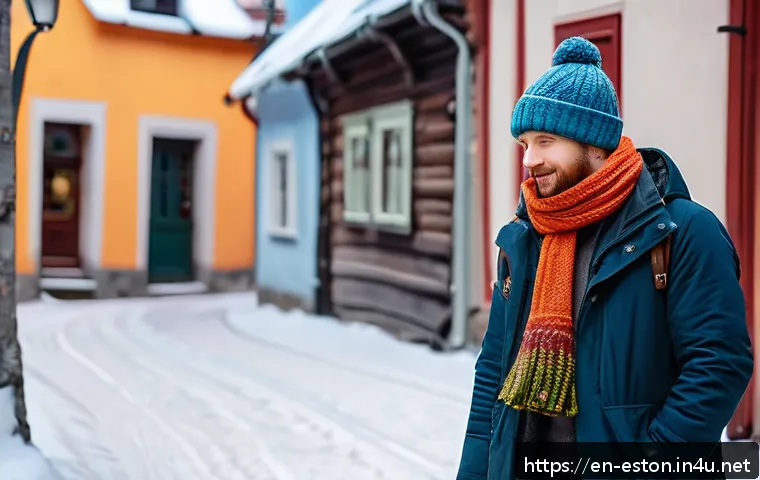
As winter deepens across Northern Europe, Estonia transforms into a magical wonderland, drawing travelers eager to experience its snowy charm and vibrant culture.
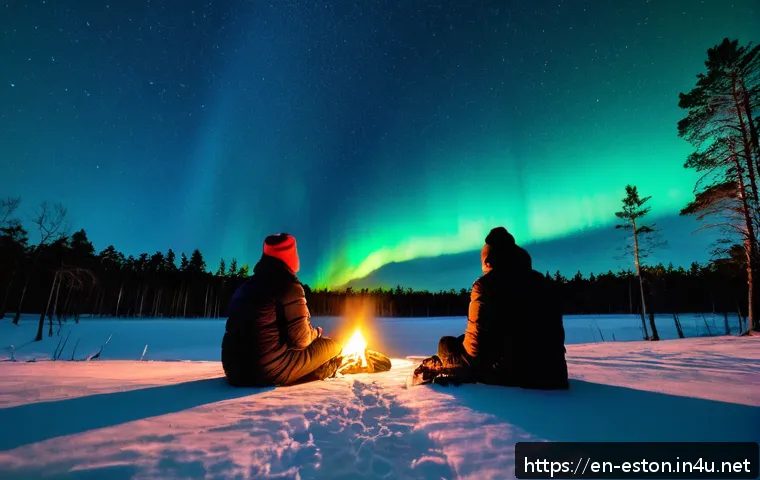
With recent shifts in travel trends favoring off-the-beaten-path destinations, now is the perfect time to explore Estonia’s winter treasures. Whether you’re chasing the Northern Lights or wandering through medieval Tallinn dusted in snow, being well-prepared is key to making the most of your adventure.
In this guide, I’ll share essential tips that I’ve learned firsthand to help you navigate Estonia’s unique winter landscape with confidence and ease. Let’s dive into everything you need to know before embarking on your chilly Estonian journey!
Mastering Estonia’s Winter Wardrobe: Staying Warm and Stylish
Layering Like a Pro: The Secret to Comfortable Outdoor Adventures
When you’re stepping into Estonia’s winter, the biting cold can catch even seasoned travelers off guard if they’re not dressed properly. I’ve learned that layering isn’t just a recommendation—it’s a necessity.
Start with a moisture-wicking base layer to keep sweat away from your skin, then add an insulating mid-layer like fleece or wool for warmth. Top it off with a windproof and waterproof outer shell to shield you from icy winds and snow.
This combo allows you to adjust your clothing easily when moving between outdoor activities and cozy indoor spots. Trust me, nothing beats peeling off a layer when you step inside a charming café in Tallinn after a brisk walk through the snow-covered streets.
Choosing the Right Footwear for Snow and Ice
Your shoes can make or break your Estonian winter experience. I once underestimated the importance of good boots and ended up slipping on icy pavements, which was both embarrassing and painful.
Invest in waterproof boots with solid insulation and anti-slip soles—traction is key on frosty sidewalks and frozen forest trails. If you plan on exploring snowy countryside or heading to places like Lahemaa National Park, consider boots with deeper treads or even removable ice grips.
Also, wool socks are your best friend here, providing extra warmth and moisture control. Remember, cold feet can quickly ruin an otherwise perfect day.
Accessorizing for Maximum Comfort and Practicality
Don’t underestimate the power of good accessories. A warm hat that covers your ears, thermal gloves, and a scarf or neck gaiter can significantly boost your comfort outdoors.
I found that mittens tend to keep my hands warmer than gloves because they allow fingers to share heat, though gloves offer better dexterity if you’re snapping photos or handling gear.
Sunglasses are surprisingly useful too, as the low winter sun reflects off the snow and can strain your eyes. Lastly, carry hand warmers for those extra chilly moments—they’re small but lifesavers during long walks or while waiting for the Northern Lights to appear.
Getting Around Estonia in Winter: Transportation Tips and Tricks
Navigating Public Transport During the Cold Months
Estonia’s public transportation system remains reliable in winter, but it pays to be prepared for some delays or adjustments due to weather. Buses and trams in Tallinn operate frequently, and the city’s compact size means you can often walk between destinations if bundled up properly.
From my experience, it’s wise to check live schedules through mobile apps since icy conditions can cause slight changes. Also, consider purchasing a transport card for convenience and discounts—this saved me time and hassle, especially when hopping between the Old Town and newer districts.
Renting a Car: What You Need to Know About Winter Driving
Driving in Estonia’s winter landscape is exhilarating but demands respect for icy roads and rapidly changing weather. I rented a car once to explore rural areas and quickly realized that winter tires are mandatory and non-negotiable for safety.
Many rental agencies provide studded tires or recommend them for maximum grip. If you’re not confident with winter driving, it might be better to stick to guided tours or public transport.
Also, always keep an emergency kit in your car—blankets, a flashlight, and some snacks—just in case you get stuck in a remote spot.
Using Taxis and Ride-Sharing Services Efficiently
Taxis and ride-sharing apps like Bolt are widely available in cities like Tallinn and Tartu and can be lifesavers when the temperature drops or when public transport options are limited late at night.
From my experience, booking rides via apps tends to be cheaper and more transparent than hailing taxis on the street. Just keep in mind that during peak winter hours or holidays, wait times might increase.
Planning ahead and booking in advance can save you from standing outside in the cold longer than necessary.
Experiencing Estonia’s Winter Festivals and Cultural Events
Embracing Traditional Celebrations with a Modern Twist
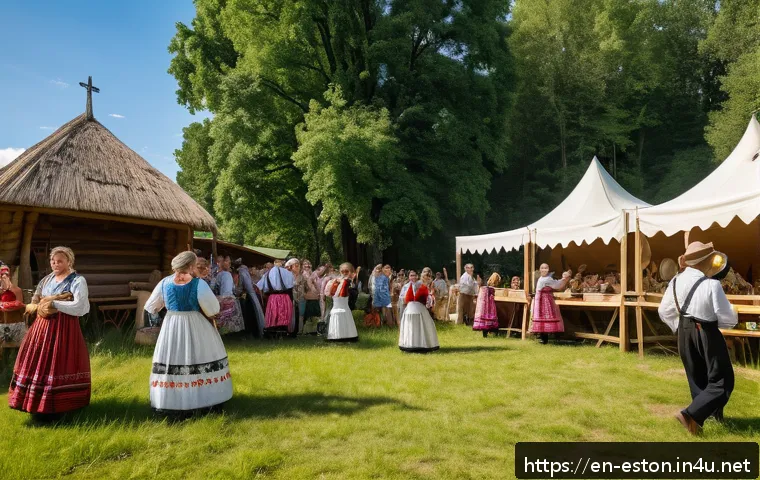
Winter in Estonia isn’t just about the cold; it’s a season packed with vibrant cultural events that offer a glimpse into local traditions and contemporary creativity.
The Christmas markets in Tallinn, for example, are a feast for the senses with their handmade crafts, mulled wine, and festive performances. I’ve found that attending these markets in the evening, when the lights glow against the snowy backdrop, creates an almost magical atmosphere.
Additionally, events like the Tallinn Winter Jazz Festival or the Viljandi Folk Music Festival add a dynamic cultural layer to the chilly season.
Tips for Navigating Crowds and Enjoying Authentic Experiences
While winter festivals attract many visitors, I’ve learned that venturing slightly off the beaten path can lead to more genuine encounters. Small towns like Pärnu and Haapsalu host charming winter fairs with fewer tourists but just as much local flavor.
Arriving early or on weekdays can also help you avoid the busiest times. Don’t hesitate to chat with vendors or performers—they often share fascinating stories about their crafts or traditions, making the experience more memorable and personal.
Staying Comfortable While Enjoying Outdoor Festivities
Winter events often take place outdoors, so being prepared to stand or walk for hours in freezing temperatures is crucial. I always bring a thermos filled with hot tea or coffee to keep warm between stalls.
Seating areas with outdoor heaters or fire pits are common at larger festivals—seek these spots out to recharge. Layering your clothing, as mentioned earlier, pays off here too, as you can remove or add layers depending on your activity level.
Lastly, wear comfortable and warm footwear since standing on cold surfaces for extended periods can quickly become uncomfortable.
Maximizing Your Northern Lights Viewing Experience
Choosing the Best Locations Away from Light Pollution
Catching the Northern Lights in Estonia requires a bit of planning, but it’s absolutely worth the effort. From personal experience, heading out of Tallinn to less populated areas like Lahemaa National Park or the islands of Saaremaa and Hiiumaa significantly increases your chances of seeing the aurora.
These spots offer darker skies and minimal artificial light interference. I recommend checking local weather and aurora forecasts daily since clear skies are essential.
Patience is key—sometimes the lights appear late at night or in short bursts.
Timing Your Viewing for Optimal Conditions
Winter nights in Estonia are long, but the best time to catch the Northern Lights tends to be between 10 PM and 2 AM. I’ve found that settling into a cozy spot well before midnight improves your chances because the aurora can be unpredictable.
Dress in your warmest layers and bring something to sit on, like a blanket or foldable chair, to avoid getting cold quickly. If you’re traveling with others, sharing the experience in silence can make the moment even more magical.
Don’t forget to bring a good camera with manual settings if you want to capture the phenomenon.
Essential Gear and Safety Tips for Nighttime Excursions
Venturing into remote areas at night in winter demands safety precautions. I always carry a fully charged phone, a flashlight or headlamp, and some snacks.
Reflective clothing or gear is a smart addition to stay visible if you’re near roads. Let someone know your plans if you’re going solo—Estonia is generally safe, but it’s better to be cautious.
Finally, keep an eye on your surroundings and watch out for icy patches to avoid slips or falls during your aurora hunt.
Sampling Estonia’s Winter Flavors: Food and Drink Recommendations
Hearty Dishes That Warm the Soul
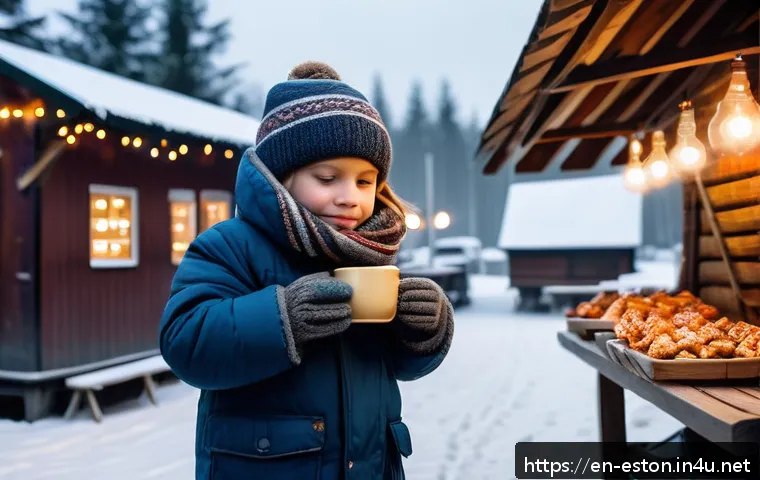
Estonian winter cuisine is a comforting blend of simple ingredients and rich flavors, perfect for recharging after a day out in the cold. I fell in love with traditional dishes like mulgipuder (a creamy barley and potato mash) and verivorst (blood sausage), often served with lingonberry jam.
Many local restaurants offer seasonal menus featuring game meats and root vegetables, which add to the authentic experience. Sampling these dishes in cozy, rustic settings—especially in countryside taverns—really brought the region’s culinary heritage to life for me.
Exploring Local Drinks: From Hot Mulled Wine to Craft Beers
Warming up with a hot beverage is part of the Estonian winter ritual. Mulled wine, spiced with cinnamon and cloves, is ubiquitous at holiday markets and is a personal favorite for its comforting aroma.
For beer lovers, Estonia’s craft beer scene is vibrant even in winter, with many breweries releasing special winter ales and stouts. I enjoyed visiting microbreweries in Tallinn where the atmosphere was lively and the brewers were happy to share stories behind their creations.
Don’t miss out on trying kama, a traditional Estonian grain mix often served as a dessert or drink—it’s a unique taste of the country’s culinary roots.
Finding the Best Spots for Seasonal Treats
While exploring the capital or smaller towns, I found that some cafés and bakeries specialize in winter treats like kringel (a sweet braided bread) and gingerbread cookies.
These are perfect snacks to enjoy with coffee or hot chocolate during a midday break. Seasonal markets and food festivals also showcase local producers selling homemade preserves, honey, and smoked fish.
Planning your meals around these opportunities can add a delicious dimension to your trip and support local artisans.
Practical Planning: Weather, Currency, and Connectivity Essentials
Understanding Estonia’s Winter Climate
Estonian winters can be harsh, with temperatures often dipping below freezing and frequent snowfalls. From my experience, it’s helpful to monitor weather forecasts regularly to plan your daily activities effectively.
Sudden drops in temperature or snowstorms can affect travel plans, so flexibility is crucial. Daylight hours are limited during the peak winter months, so scheduling outdoor excursions for midday maximizes your time in natural light.
Staying informed about local weather also helps you dress appropriately and pack wisely.
Managing Currency and Payment Methods
Estonia uses the Euro (€), which simplifies transactions for many European travelers. Card payments are widely accepted everywhere—from large hotels and restaurants to small shops and taxis.
I rarely needed to carry large amounts of cash, but having some coins and small bills handy for markets or rural areas proved useful. ATMs are abundant in cities but might be scarce in remote locations, so plan accordingly.
Contactless payment options like Apple Pay or Google Pay are also popular and convenient for quick purchases, reducing the need to handle cash in cold weather.
Staying Connected: SIM Cards and Wi-Fi Availability
Reliable internet access is crucial for navigation, weather updates, and staying in touch. Estonia offers excellent mobile coverage, even in rural areas, making it easy to stay connected.
I picked up a local SIM card at the airport for affordable data and calls, which worked seamlessly throughout my trip. Many cafés, hotels, and public spaces provide free Wi-Fi, but speeds can vary.
Downloading offline maps and essential apps before heading into remote areas ensures you’re prepared in case of spotty signal. Estonia’s digital infrastructure is impressive, so staying online is generally hassle-free.
| Aspect | Recommendation | Why It Matters |
|---|---|---|
| Clothing | Layered base, mid, and outer layers with insulated, waterproof boots | Maintains warmth, adjusts to indoor/outdoor changes, prevents slips on ice |
| Transportation | Use public transport with a travel card; rent cars with winter tires if confident | Ensures reliable travel; safety on icy roads |
| Activities | Plan Northern Lights viewing between 10 PM–2 AM in dark, remote areas | Maximizes chance to witness aurora in optimal conditions |
| Food & Drink | Try hearty traditional dishes and seasonal drinks like mulled wine and craft beers | Experience authentic Estonian winter flavors and culture |
| Connectivity | Purchase local SIM card; rely on free Wi-Fi in urban areas | Stay connected for navigation, weather updates, and communication |
Staying Safe and Healthy in Estonia’s Winter Conditions
Preventing Cold-Related Health Issues
Spending extended time outdoors in freezing temperatures requires attentiveness to your body’s signals. I’ve learned to recognize early signs of frostbite and hypothermia, such as numbness, tingling, or uncontrollable shivering.
Regularly warming up indoors and keeping extremities covered helps a lot. Staying hydrated and eating well also supports your body’s resilience against cold stress.
If you’re traveling with children or elderly companions, extra caution is essential—they tend to be more vulnerable to the cold.
Managing Travel Insurance and Emergency Contacts
Having comprehensive travel insurance that covers winter sports, accidents, and medical emergencies is a must in Estonia’s winter environment. I always carry a copy of my policy and emergency contact numbers, including local emergency services and my country’s embassy.
Mobile phones are generally reliable, but it’s wise to have a backup power source like a portable charger. Knowing the location of the nearest hospital or clinic before heading out on remote excursions can save valuable time if something goes wrong.
Adapting Plans for Weather and Daylight Limitations
Winter weather can be unpredictable, and daylight is limited, so flexibility is key to staying safe and enjoying your trip. I recommend having alternative indoor activities or cultural visits lined up in case outdoor plans get canceled due to snow or icy conditions.
Starting your days early to maximize daylight and avoiding unnecessary nighttime travel in rural areas enhances safety. Always listen to local advice and weather alerts to adjust your itinerary accordingly.
This approach helped me avoid tricky situations and made my Estonian winter trip feel more relaxed and enjoyable.
In Conclusion
Exploring Estonia in winter offers a unique blend of chilly adventure and rich cultural experiences. By dressing smartly, planning transportation carefully, and embracing local traditions, you can enjoy the season comfortably and safely. Remember, preparation is key to making the most of Estonia’s snowy landscapes and festive atmosphere. With the right mindset and gear, your winter trip will be both memorable and enjoyable.
Helpful Tips to Keep in Mind
1. Dress in layers with moisture-wicking and insulated fabrics to stay warm and adaptable throughout your day.
2. Choose sturdy, waterproof footwear with good traction to navigate icy streets and snowy trails safely.
3. Use public transport with travel cards or rent cars equipped with winter tires if you’re confident driving in snowy conditions.
4. Plan Northern Lights viewings between late evening and early morning in dark, low-light locations for the best chance to see the aurora.
5. Stay connected by purchasing a local SIM card and relying on free Wi-Fi spots for navigation and weather updates.
Key Takeaways for a Successful Winter Visit
Understanding Estonia’s winter climate and being flexible with your plans are essential for a smooth trip. Prioritize safety by preparing for cold-related health risks and carrying emergency essentials. Embrace local food and festivals to enrich your cultural experience, and always check transport schedules and weather forecasts to avoid surprises. Ultimately, thoughtful preparation allows you to enjoy Estonia’s winter magic with confidence and comfort.
Frequently Asked Questions (FAQ) 📖
Q: uestionsQ1: What is the best time to visit Estonia in winter to see the Northern Lights?
A: The prime time to catch the Northern Lights in Estonia is between late November and early March, with the clearest skies often appearing in January and February.
From my experience, heading to less light-polluted areas away from Tallinn, like Lahemaa National Park or the islands of Saaremaa and Hiiumaa, significantly improves your chances.
Just remember to dress warmly and be patient—sometimes the auroras play hard to get!
Q: How should I dress to stay comfortable during Estonia’s cold winter days?
A: Dressing in layers is absolutely crucial. I usually start with a moisture-wicking base layer, add an insulating mid-layer like fleece or wool, and top it off with a windproof and waterproof outer shell.
Don’t forget thermal socks, insulated boots, gloves, a warm hat, and a scarf. I learned the hard way that even a short walk can become miserable without the right gear.
Also, hand and foot warmers can be a real lifesaver when you’re exploring outdoors for hours.
Q: What are some must-try cultural experiences in Estonia during winter?
A: Winter in Estonia is packed with unique cultural delights. I highly recommend visiting a traditional sauna—Estonians treat it as a social and wellness ritual, especially cozy in winter.
Exploring Tallinn’s Old Town with its festive Christmas markets, sampling local dishes like black bread, elk stew, and kama (a traditional grain mix), and attending folk music events are unforgettable.
These experiences truly let you feel the warmth of Estonian culture despite the chilly weather.