Estonia, a land steeped in history and brimming with natural beauty, has long been a fertile ground for artistic expression. From the medieval masters who adorned church walls to the contemporary visionaries pushing boundaries today, Estonian artists have consistently offered unique perspectives on the world.
The nation’s art scene, though perhaps not as widely known as those of its larger European neighbors, boasts a rich tapestry of styles and influences, reflecting both its Baltic heritage and its openness to global trends.
Honestly, diving into Estonian art is like uncovering a hidden treasure, revealing stories and emotions through vibrant colors and striking forms. Let’s delve deeper and discover the captivating world of Estonian artists!
Okay, I understand. Here’s the blog post content you requested:
Navigating the Landscape of Estonian Artistic Identity
Estonian art isn’t just about pretty pictures; it’s a conversation, a dialogue with history, nature, and the very essence of being Estonian. Artists here are often grappling with questions of identity, particularly after decades of Soviet rule.
It’s like they’re saying, “Okay, we’re independent now, so who are we, really?” This exploration manifests itself in diverse ways, from abstract expressions of national pride to poignant reflections on the scars of the past.
You really see artists using their work to process and define what it means to be Estonian in the 21st century.
Weaving the Threads of Tradition
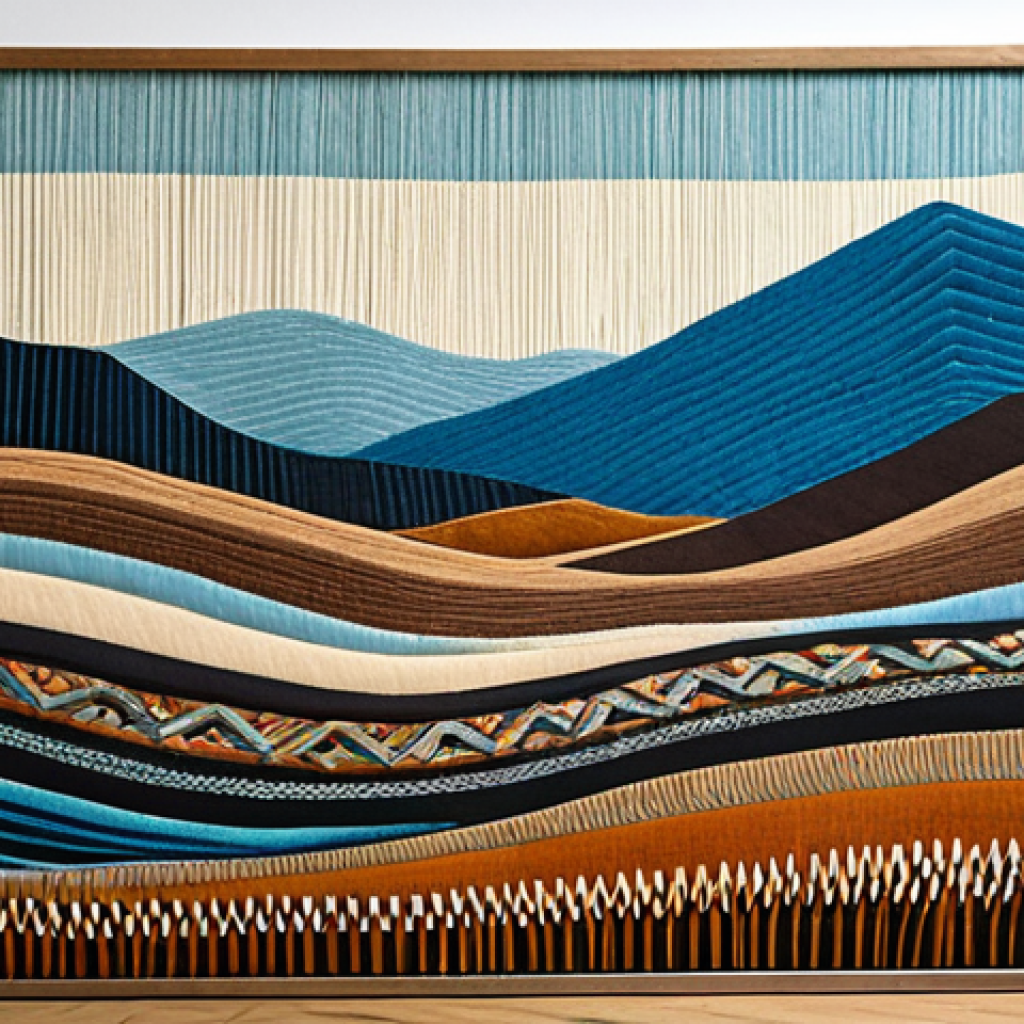
Estonian folk art, with its intricate patterns and earthy tones, is a persistent influence. Many contemporary artists cleverly incorporate these traditional motifs into their modern works, creating a fascinating fusion of old and new.
Think of it as a remix, where the familiar melodies of the past are given a fresh, contemporary beat. I’ve seen this done brilliantly in textile art, where ancient weaving techniques are used to create stunning, abstract wall hangings.
The Call of the Natural World
Estonia’s stunning landscapes – its vast forests, rugged coastline, and serene lakes – serve as an endless source of inspiration. Artists often try to capture the ethereal beauty of the Estonian wilderness, whether it’s through landscape paintings that evoke the feeling of standing in a silent forest or sculptures crafted from natural materials found on the beach.
It’s as if the land itself is whispering secrets that the artists are trying to translate into visual form. You can almost feel the cool Baltic breeze when you see some of these pieces.
A Journey Through Color and Form: Defining Characteristics
Estonian art often features a distinctive color palette, drawing inspiration from the Northern European landscape. Muted tones, earthy browns, and cool blues are prevalent, reflecting the forests, soil, and Baltic Sea.
This palette creates a sense of melancholy and tranquility, inviting viewers to contemplate the beauty and solitude of nature. These artists aren’t afraid to let the colors breathe and to create a more subtle, atmospheric effect.
Experimentation and Innovation
Contemporary Estonian artists aren’t afraid to push boundaries and experiment with new techniques and mediums. You’ll find everything from cutting-edge digital art installations to performance art that challenges societal norms.
It’s a vibrant scene where creativity is encouraged, and artists are given the space to explore their own unique visions. I once saw an exhibition featuring interactive sculptures that responded to touch, which was a really cool example of this innovative spirit.
The Influence of Surrealism
The influence of Surrealism can be seen in Estonian art, particularly in the works of artists who explore the subconscious mind and dreamlike states. These artists create fantastical imagery that blends reality and imagination, inviting viewers to question their perceptions of the world.
* Whimsical Interpretations: Many artists adopt a lighter, more playful approach to Surrealism, creating artworks that are both visually appealing and thought-provoking.
* Darker Themes: Some artists delve into darker themes of the subconscious, exploring the anxieties and fears that lie beneath the surface of our minds.
Spotlighting Notable Estonian Artists
While it’s impossible to name every talented Estonian artist, there are a few that consistently stand out for their originality and impact. These artists have not only gained recognition within Estonia but also internationally, showcasing the talent and creativity that this small nation has to offer.
Discovering these artists is like finding a gem, a unique voice that resonates with viewers worldwide.
Navigating the Contemporary Art Scene
The contemporary art scene in Estonia is booming, with new galleries and studios popping up all the time. This has created a dynamic and exciting environment for artists to showcase their work and connect with audiences.
It’s a great time to be an art lover in Estonia, with so much to see and experience. * Emerging Talent: The scene is constantly evolving, with new artists emerging all the time, bringing fresh perspectives and innovative approaches to art-making.
* Established Figures: Alongside the emerging talent, there are also established figures who have been instrumental in shaping the Estonian art scene and who continue to inspire new generations of artists.
The Role of Art in Shaping Estonian Identity
Art plays a vital role in shaping and reflecting Estonian identity. It provides a platform for artists to explore themes of history, culture, and national pride, helping to foster a sense of collective identity and shared experience.
* Reflection of Society: Estonian art often serves as a mirror, reflecting the hopes, dreams, and challenges of Estonian society. * Preserving Culture: Art helps to preserve and promote Estonian culture, ensuring that traditions and values are passed down to future generations.
Art as a Mirror: Reflecting Estonian Society and Culture
Estonian art often tackles complex social and political issues, providing a critical commentary on contemporary life. Artists use their work to raise awareness of important topics, challenge conventional thinking, and spark dialogue.
I’ve seen exhibitions that dealt with themes like environmental sustainability, social inequality, and the impact of technology on society, all presented in a thought-provoking and engaging way.
Digital and New Media Arts: Embracing Innovation
With the rise of technology, Estonian artists have embraced digital and new media arts, creating innovative and interactive artworks that push the boundaries of traditional art forms.
Digital art installations, video art, and interactive media are all part of the burgeoning art scene. * Interactive Installations: Artists create immersive environments that invite viewers to participate and engage with the artwork in new ways.
* Virtual and Augmented Reality: Virtual and augmented reality technologies are being used to create art experiences that blur the lines between the physical and digital worlds.
Street Art and Public Installations: Art for Everyone
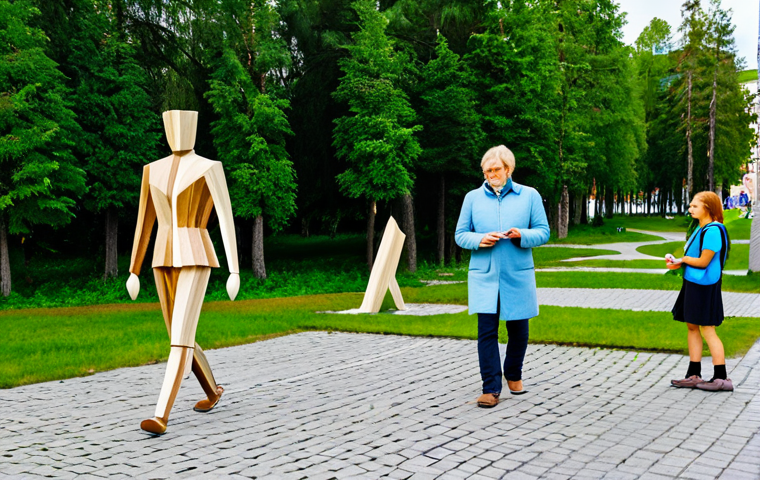
Street art and public installations have gained popularity in Estonia, transforming urban spaces into vibrant canvases of creativity. These art forms make art accessible to a wider audience, breaking down barriers and inviting people to engage with art in their everyday lives.
* Murals and Graffiti: Artists create large-scale murals and graffiti art that add color and character to city streets. * Sculptures and Installations: Public sculptures and installations are placed in parks and public spaces, providing opportunities for people to encounter art in unexpected places.
Where to Experience Estonian Art
For art enthusiasts planning a trip to Estonia, there are several key places to experience the country’s vibrant art scene. From museums showcasing historical masterpieces to contemporary art galleries promoting emerging talents, Estonia has something to offer every art lover.
Here’s a glimpse into the best places to explore Estonian art:
Art Museums
These institutions offer a comprehensive overview of Estonian art history.
Contemporary Art Galleries
For a taste of the cutting-edge, visit these galleries showcasing the latest works by emerging artists.
Public Art Spaces
Explore urban landscapes transformed by murals and installations.
| Artist | Style | Notable Work |
|---|---|---|
| Konrad Mägi | Modernism, Expressionism | “Landscape with a Pine” |
| Kristjan Raud | Symbolism, National Romanticism | Illustrations for the Kalevipoeg epic |
| Jaan Toomik | Video Art, Performance Art | “Father and Son” |
Supporting Estonian Art: A Call to Action
Supporting Estonian art is essential for fostering creativity and preserving cultural heritage. There are several ways to contribute, whether you’re an art collector, enthusiast, or simply someone who appreciates the beauty and power of art.
Here’s how you can support Estonian art:
Buying Art
One of the most direct ways to support Estonian artists is by purchasing their work. Whether you’re interested in paintings, sculptures, prints, or photographs, buying art not only adds beauty to your life but also provides financial support to artists, allowing them to continue creating.
* Emerging Artists: Investing in the work of emerging artists can be a great way to support the next generation of talent. * Established Artists: Collecting the work of established artists helps to preserve their legacy and ensure that their work is appreciated for years to come.
Visiting Galleries and Museums
Visiting galleries and museums is another great way to support Estonian art. By paying admission fees, attending exhibitions, and purchasing souvenirs, you’re helping to fund the operations of these institutions and support the artists they showcase.
* Engage with Art: Take the time to engage with the art you see, read the descriptions, and learn about the artists and their work. * Attend Events: Many galleries and museums host events such as artist talks, workshops, and lectures, which provide opportunities to learn more about art and connect with other art enthusiasts.
Spreading the Word
One of the simplest yet most effective ways to support Estonian art is by spreading the word. Share your favorite artists and artworks on social media, recommend galleries and museums to friends and family, and write reviews of exhibitions you’ve seen.
* Social Media: Use social media platforms to share images of Estonian art you admire, tag the artists, and use relevant hashtags to reach a wider audience.
* Word-of-Mouth: Tell your friends and family about the Estonian art scene and encourage them to explore it for themselves. Navigating the Estonian art scene is like embarking on a treasure hunt.
Every gallery, every museum, every street corner holds a piece of the puzzle that is Estonian artistic identity. Whether you’re a seasoned art connoisseur or a curious traveler, I hope this guide has sparked your interest in exploring the rich and diverse world of Estonian art.
There’s so much more to discover, so go out there and experience it for yourself!
Concluding Thoughts
Estonian art, with its blend of tradition and innovation, offers a unique window into the soul of this captivating nation. From its historical roots to its contemporary expressions, the art scene reflects the country’s rich heritage and its forward-looking spirit. I encourage you to explore Estonian art further, whether it’s through visiting museums, attending exhibitions, or simply engaging with local artists.
Good to Know
1. Currency: The currency used in Estonia is the Euro (€).
2. Tipping: Tipping is not mandatory in Estonia, but it’s customary to leave a 5-10% tip for good service in restaurants and cafes.
3. Language: While Estonian is the official language, English is widely spoken, especially in tourist areas and among younger generations.
4. Best Time to Visit: The best time to visit Estonia for art events is during the summer months (June-August), when many festivals and outdoor exhibitions take place.
5. Transportation: Public transportation in Tallinn, Estonia’s capital, is efficient and affordable, with trams, buses, and trolleybuses covering most areas of the city.
Key Takeaways
Estonian art is a vibrant and diverse reflection of the country’s history, culture, and natural beauty.
Supporting Estonian art helps to foster creativity and preserve cultural heritage.
There are many ways to experience Estonian art, from visiting museums and galleries to exploring public art spaces and attending art events.
Frequently Asked Questions (FAQ) 📖
Q: I’m planning a trip to Estonia, and I’m interested in experiencing the local art scene. What are some must-see art museums or galleries in Tallinn?
A: Oh, you’re in for a treat! Tallinn’s art scene is fantastic. Personally, I’d recommend starting with the Kumu Art Museum.
It gives you a really comprehensive overview of Estonian art history, from the 18th century to the present day. The permanent collection is solid, but their temporary exhibitions are what really blew me away when I visited.
For something a little different, check out the Kadriorg Art Museum, housed in a stunning Baroque palace – it’s like stepping back in time! And if you’re after contemporary works, definitely hit up the Tallinn Art Hall and its nearby gallery.
They always have something thought-provoking on display, and the atmosphere is just buzzing with creativity. Honestly, just wandering around the Old Town, you’ll stumble upon charming little galleries showcasing local artists, so keep your eyes peeled!
Q: Are there any Estonian artists who have gained international recognition, and if so, what makes their work stand out?
A: Absolutely! One name that springs to mind is Konrad Mägi. He was a real pioneer of Estonian modernism in the early 20th century.
His landscapes are just breathtaking – full of vibrant color and a real sense of atmosphere. Think Van Gogh, but with a distinctly Baltic sensibility.
Another artist worth looking into is Jaan Toomik. His video art can be a bit challenging, but it’s incredibly powerful and deals with some really profound themes.
I remember seeing one of his pieces at a festival a few years back, and it stayed with me for days. What I appreciate most about these artists (and many others from Estonia) is their ability to convey a strong sense of place and identity through their art, even when exploring universal themes.
Q: I’m on a bit of a budget.
A: re there ways to experience Estonian art without breaking the bank? A3: Definitely! Art doesn’t have to be expensive to enjoy.
First off, many of the smaller galleries in Tallinn have free admission, so you can pop in and browse without any pressure. Also, keep an eye out for street art and public installations.
Tallinn has a surprisingly vibrant street art scene, and some of the murals are truly impressive. Check out Telliskivi Creative City – it’s a hub for artists and designers, and there’s always something interesting going on.
Finally, consider attending free events like gallery openings or artist talks. These are a great way to meet local artists, learn about their work, and soak up the atmosphere without spending a dime.
Honestly, some of my best art experiences have been completely free!
📚 References
Wikipedia Encyclopedia