Starting a business in Estonia is becoming an increasingly attractive option for entrepreneurs worldwide. Known for its digital-forward government and seamless e-residency program, Estonia offers a unique environment where setting up a startup is fast, efficient, and highly cost-effective.
The country’s strong tech ecosystem and supportive policies create a fertile ground for innovation and growth. If you’re dreaming of launching your own venture with minimal bureaucracy and maximum global reach, Estonia might just be the perfect place.
Let’s dive deeper and explore exactly how you can turn your startup ideas into reality here!
Understanding Estonia’s E-Residency and Its Impact on Business Formation
How E-Residency Simplifies Global Entrepreneurship
E-Residency is a groundbreaking digital identity program that Estonia offers, allowing entrepreneurs worldwide to access Estonian business services without physically moving there.
From my experience and conversations with fellow founders, the beauty of this system lies in its ability to eliminate geographical barriers. Once you become an e-resident, you can open a company online, manage it remotely, sign documents digitally, and even handle banking, all from your laptop.
This flexibility is a game-changer for digital nomads and those seeking to expand their business footprint globally without the hassle of relocating or dealing with complicated legal systems in multiple countries.
Registration Process and What to Expect
Registering a company in Estonia as an e-resident is surprisingly straightforward and swift. Typically, the process takes just a few days once you have your digital ID card in hand.
You’ll need to prepare a business plan, choose a company name, and pay a small state fee. The government’s e-Business Register portal is user-friendly and allows you to submit all necessary documents electronically.
Personally, I found the step-by-step guidance on the official website invaluable, especially for those unfamiliar with Estonian legal jargon. The transparency and speed of the process really set Estonia apart compared to other jurisdictions where company registration can drag on for weeks or even months.
Key Benefits Beyond Just Registration
Besides the ease of setting up a company, e-residency grants access to Estonia’s advanced digital infrastructure. This means you can use a variety of government services online, including tax filing, health insurance registration, and social security contributions if applicable.
Another perk is the ability to tap into Estonia’s thriving tech ecosystem, which includes numerous accelerators, startup hubs, and networking events, often available to e-residents as well.
In my network, many startups have leveraged these opportunities to secure funding and partnerships that would have been difficult to access otherwise.
Legal and Tax Framework Favorable for Startups
Corporate Taxation System and Its Advantages
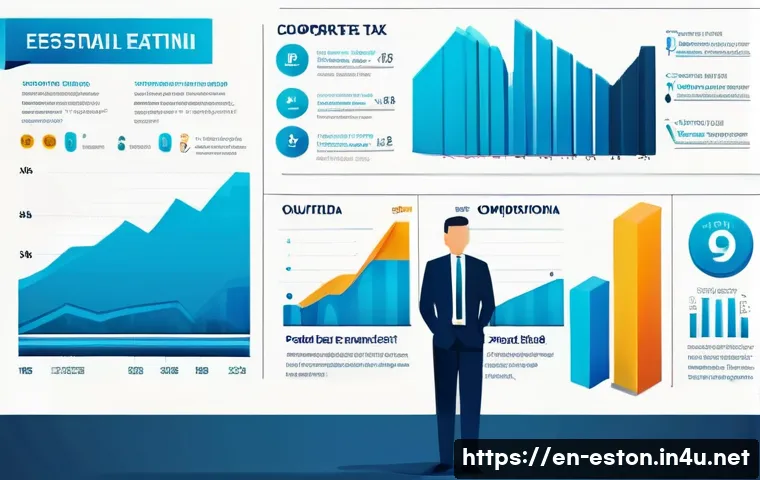
One of the standout features of Estonia’s business environment is its unique corporate tax system. Unlike many countries where companies pay tax on profits annually, Estonian businesses only pay corporate income tax when profits are distributed as dividends.
This means that reinvested earnings remain untaxed, providing startups with more working capital to fuel growth. In my own experience running a small startup, this policy allowed us to allocate more funds toward product development and marketing rather than worrying about immediate tax liabilities.
Compliance Requirements and Reporting
While Estonia’s tax system is friendly to startups, it still requires strict compliance with reporting standards. Businesses must file annual reports and keep accounting records in accordance with Estonian law.
Fortunately, many accounting firms specialize in serving e-resident companies and offer affordable, online services that simplify bookkeeping. I personally found using these services indispensable, especially when navigating VAT registrations for sales within the EU.
Staying compliant is easier than expected, but it’s essential to stay on top of deadlines to avoid penalties.
Legal Structures to Consider for Your Startup
Choosing the right legal form is crucial. The most common structure is the Private Limited Company (OÜ), which offers limited liability protection and is relatively easy to set up.
There are also options like sole proprietorships or public limited companies, but they are less common for startups. The OÜ model fits well for tech ventures and international businesses because it combines flexibility with clear governance rules.
From my discussions with legal advisors, this structure also facilitates smoother access to investment and simplifies shareholder arrangements.
Access to Funding and Investment Opportunities
Government Grants and Support Programs
Estonia’s government actively supports startups through various grant schemes and innovation funds. These programs often focus on technology, sustainability, and digital services, providing non-dilutive capital that can boost your project without giving away equity.
I’ve seen startups in my circle secure initial funding through these channels, which helped them develop prototypes and conduct market research before seeking private investment.
The application process can be competitive, but the clear guidelines and online portals make it manageable with some preparation.
Venture Capital and Angel Investors
The Estonian startup scene has attracted a growing number of local and international investors. Tallinn, the capital, hosts numerous networking events and pitch competitions where founders can meet venture capitalists and angel investors interested in early-stage companies.
From personal experience attending these events, the community is incredibly welcoming and supportive, often providing constructive feedback even if funding doesn’t materialize immediately.
Many investors appreciate Estonia’s transparent legal framework and digital infrastructure, which reduce risks and streamline due diligence.
Alternative Financing Options
Apart from traditional funding routes, Estonia’s digital ecosystem supports alternative finance methods such as crowdfunding and crypto-based fundraising.
These options can be attractive for startups aiming to build a community around their product or service early on. I’ve noticed that some founders use crowdfunding platforms not only to raise money but also to validate market demand and create buzz before launch.
Crypto fundraising, while more niche, aligns well with Estonia’s forward-thinking tech culture and can open doors to a global investor base.

Building Your Startup Team and Network in Estonia
Hiring Remote and Local Talent
Estonia’s relatively small population means that many startups rely heavily on remote teams spread across different countries. Fortunately, Estonian law supports flexible work arrangements and has straightforward processes for hiring both local employees and contractors abroad.
In my experience, combining a small core team in Estonia with remote specialists worldwide has been the most cost-effective and productive approach. The availability of English-speaking professionals and tech talent in Estonia also makes communication and collaboration smoother.
Networking and Community Resources
The startup ecosystem in Estonia is vibrant and well-connected, with numerous meetups, coworking spaces, and accelerator programs. Joining communities such as Garage48 or Tehnopol can provide invaluable connections, mentorship, and access to resources that accelerate growth.
Personally, I found that attending these events not only helped me find partners and clients but also gave me a sense of belonging, which is crucial when starting a business far from home.
Access to Mentorship and Expert Advice
Experienced entrepreneurs and industry experts actively mentor new founders through various programs and informal networks. These mentors offer practical advice on everything from product development to scaling operations.
I recall how a mentor’s insight into EU market regulations saved me weeks of research and potential compliance issues. Taking advantage of such guidance can drastically improve your startup’s chances of success by avoiding common pitfalls and leveraging proven strategies.
Digital Tools and Infrastructure Supporting Your Startup Journey
Government Digital Services and Portals
Estonia’s commitment to digital governance means that nearly all bureaucratic procedures can be completed online, saving time and reducing frustration.
For example, tax declarations, company registration, and document signing are done via secure digital platforms accessible with your e-residency ID. From my firsthand use, this seamless digital experience allows entrepreneurs to focus more on growing their business rather than paperwork, which is a huge relief compared to many traditional systems.
Banking Solutions Tailored for E-Residents
Opening a business bank account is often one of the most challenging steps for cross-border entrepreneurs. However, Estonia offers multiple fintech options and partnerships with traditional banks that cater to e-residents.
While some banks require a physical visit, several online banking providers allow full remote onboarding. I’ve tested a few of these fintech services, and their integrations with accounting and payment platforms make managing cash flow and transactions straightforward, which is critical for early-stage startups.
Cybersecurity and Data Privacy Considerations
Operating digitally also means startups must prioritize cybersecurity and data privacy. Estonia is well-known for its robust cyber defense infrastructure and strict adherence to GDPR standards.
As a founder, I learned that leveraging Estonia’s secure digital ID and encrypted communication channels helped protect sensitive business information and build trust with clients.
Incorporating cybersecurity best practices from the beginning is essential to safeguarding your company’s reputation and compliance with European regulations.
Comparing Estonia’s Startup Environment with Other Global Hubs
| Feature | Estonia | United States (Silicon Valley) | Singapore |
|---|---|---|---|
| Company Registration Time | 2-5 days online | 1-2 weeks, often requires physical presence | 1-3 days, online and offline options |
| Corporate Tax System | Tax on distributed profits only | Tax on annual profits | Competitive tax rates, incentives available |
| Access to Funding | Growing VC scene, government grants | Largest VC market globally | Strong government and private funding |
| Digital Infrastructure | Highly advanced e-government | Good but fragmented | Highly digitized public services |
| Cost of Living and Operating | Lower than major hubs | Very high | Moderate to high |
| Workforce Availability | Small but skilled, remote-friendly | Large, diverse talent pool | Highly skilled, multilingual |
Conclusion
Estonia’s e-Residency program offers an innovative and accessible gateway for entrepreneurs worldwide to establish and manage businesses remotely. Its unique digital infrastructure, favorable tax policies, and vibrant startup ecosystem make it an attractive option for startups and international ventures. Having experienced the benefits firsthand, I can say that Estonia truly simplifies global entrepreneurship without compromising on legal and financial rigor.
Useful Information to Keep in Mind
1. E-Residency allows you to start and run an Estonian company entirely online, eliminating the need for physical relocation.
2. The company registration process is fast and transparent, typically completed within a few days after obtaining your digital ID.
3. Estonia’s corporate tax system taxes only distributed profits, encouraging reinvestment and growth.
4. Access to government grants, venture capital, and alternative financing options can help fuel your startup’s development.
5. The country’s advanced digital services, cybersecurity standards, and supportive community provide a strong foundation for your business.
Key Takeaways for Entrepreneurs
Estonia’s e-Residency is a powerful tool that breaks down traditional barriers to international business, offering entrepreneurs the ability to manage companies remotely with ease. The combination of fast registration, a tax-friendly environment, and access to funding and expert networks creates a competitive edge for startups. However, maintaining compliance with reporting and legal requirements is essential to fully benefit from this ecosystem. Embracing Estonia’s digital infrastructure and community resources can significantly increase your chances of long-term success.
Frequently Asked Questions (FAQ) 📖
Q: How long does it typically take to register a company in Estonia through the e-residency program?
A: From my experience, once you have your e-residency card, registering a company in Estonia can be surprisingly quick—often within 24 to 48 hours. The process is entirely online, which eliminates the usual paperwork delays.
Of course, the exact timing depends on how prepared you are with your business details and documents, but overall, it’s one of the fastest setups I’ve encountered.
Q: What are the main costs involved in starting a business in Estonia?
A: When I first looked into it, the costs were refreshingly straightforward and affordable. You’ll need to pay a state fee for company registration, which is around €190 if done online.
Additionally, there are costs for the e-residency card itself, roughly €100, plus some minor expenses like a virtual office or accounting services if you need them.
Compared to other countries, Estonia offers a very cost-effective environment to launch a startup without hidden fees.
Q: Can non-residents fully manage their Estonian company remotely?
A: Absolutely! One of the biggest perks I noticed is that Estonia’s digital infrastructure lets you handle everything remotely—from signing documents digitally to managing taxes online.
You don’t have to be physically present in Estonia at any point, which is a game-changer for entrepreneurs around the world. Just make sure you have reliable digital tools and possibly a local contact or service provider to help with any specific legal or financial matters.