Estonia rings in the New Year with celebrations that are unlike anywhere else in the world. From unique traditions steeped in history to modern festivities that bring communities together, their approach to welcoming the year ahead is both fascinating and heartwarming.
Whether it’s the quirky customs or the vibrant public events, Estonia offers a fresh perspective on New Year’s celebrations. If you’re curious about how this small Baltic nation makes the start of the year so special, you’re in for a treat.
Let’s dive deeper and explore what makes Estonia’s New Year traditions truly one of a kind!
Enchanting Rituals That Shape Estonia’s New Year Spirit
Traditional Symbolism in New Year’s Eve Customs
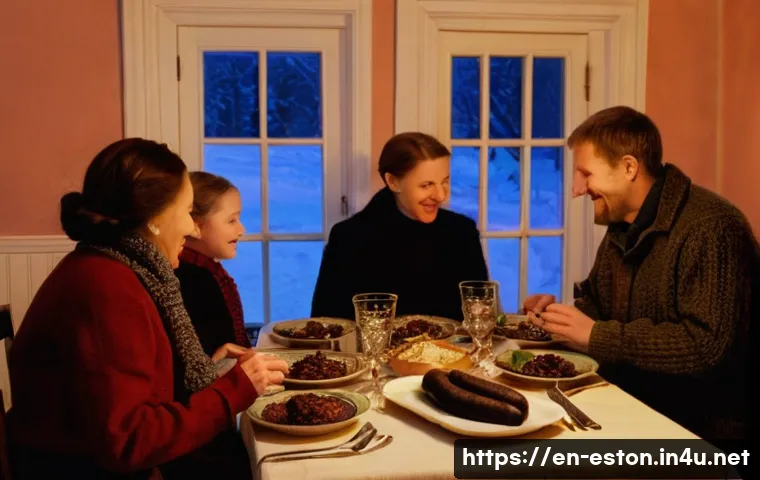
Estonia’s New Year’s Eve is steeped in rituals that date back centuries, each carrying a symbolic meaning meant to shape the year ahead. One fascinating tradition involves the act of eating seven, nine, or twelve meals on New Year’s Eve.
These numbers aren’t arbitrary—they represent abundance and luck. Families gather around the table, indulging in dishes that blend local ingredients with age-old recipes, symbolizing the hope for prosperity and health.
Personally, I found this practice incredibly heartwarming; it’s more than just a meal—it’s a way of passing down heritage and unity through food. The care and attention to detail in these dishes show how deeply intertwined food and fortune are in Estonian culture.
Fortune Telling: A Peek into the Coming Year
Another captivating aspect is the widespread use of various fortune-telling methods. From reading candle wax shapes to interpreting the patterns of coffee grounds, Estonians embrace these playful yet meaningful rituals to glimpse what the new year might hold.
I remember witnessing a group of friends huddled around a small candle, eagerly guessing what the melted wax figures predicted. It’s a delightful blend of mysticism and community bonding, making the countdown to midnight not just about celebration but also reflection and anticipation.
These moments add a layer of intimacy and personal connection to the public festivity atmosphere.
Outdoor Bonfires and Their Significance
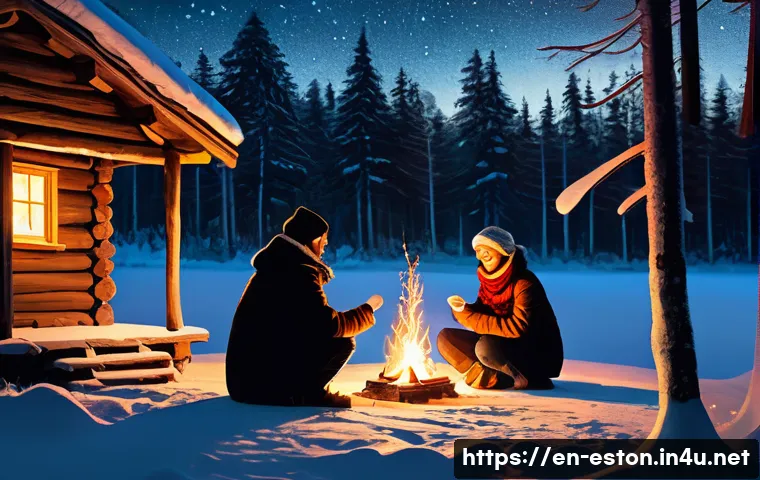
In many Estonian towns, bonfires are lit as the clock nears midnight, serving as a beacon of warmth and light in the dark Baltic winter. These fires symbolize cleansing and the burning away of the old year’s troubles, making space for new beginnings.
I’ve stood next to these roaring flames, feeling a profound sense of renewal as the sparks ascended into the cold night sky. It’s a communal experience where strangers become friends, sharing stories and hopes.
The bonfires aren’t just about tradition—they’re about embracing change together, a sentiment that resonates deeply in Estonia’s close-knit communities.
Communal Gatherings and Festive Atmosphere in Urban and Rural Settings
City Squares Transforming into Vibrant Party Hubs
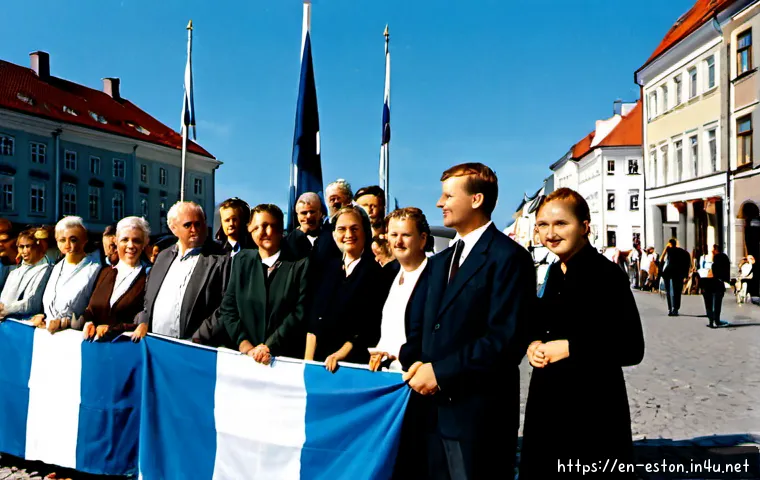
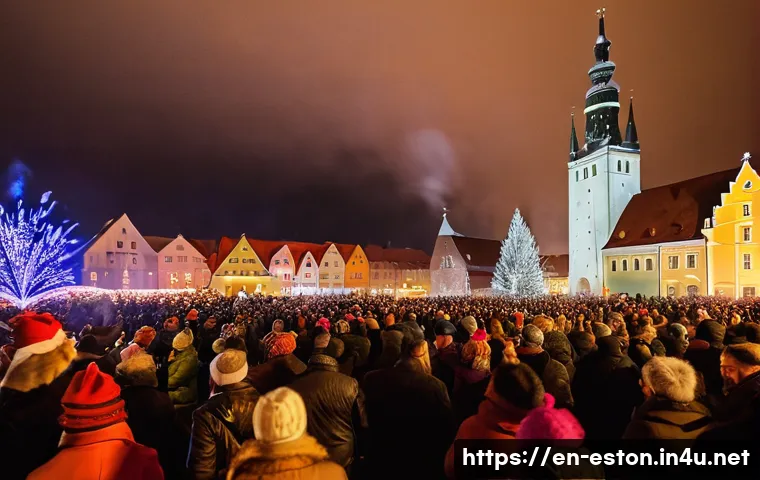
Estonia’s urban centers, especially Tallinn, burst into life on New Year’s Eve with open-air concerts, fireworks, and lively gatherings. Town squares become epicenters of joy, where locals and tourists mingle effortlessly.
I once joined a street party in Tallinn’s Old Town, and the energy was contagious—musicians playing folk tunes mixed with modern beats, vendors selling hot mulled wine, and people dancing in the chilly air.
It’s fascinating to see how Estonia balances preserving its cultural roots while embracing contemporary festivities. The city’s charm at this time is a magnet for visitors seeking a unique blend of history and high spirits.
Rural Celebrations: A Return to Nature and Intimacy
In contrast, rural areas offer a quieter but equally meaningful New Year experience. Here, celebrations often center around close family and friends, with traditions that emphasize connection to the land and natural cycles.
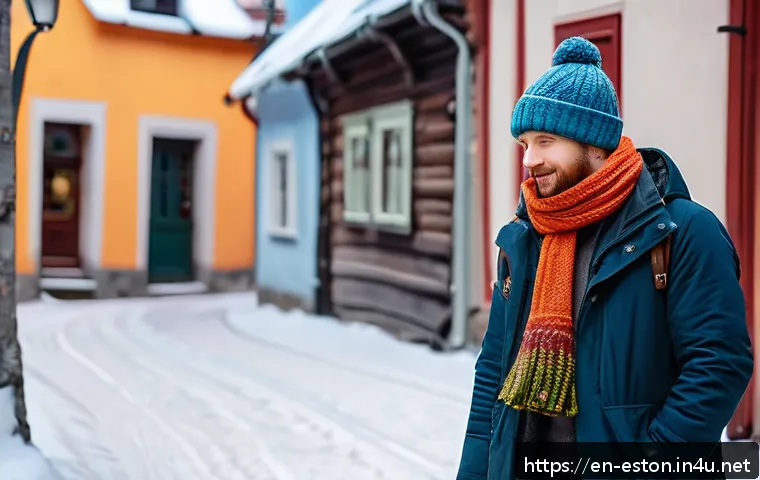
I had the chance to spend New Year’s in a small village where people gathered in cozy wooden homes, sharing homemade treats and stories by the fireplace.
The slower pace and intimate setting allowed me to appreciate how deeply the rhythms of nature influence Estonian life. These rural festivities remind us that sometimes, the most profound joy comes from simple togetherness, away from the noise of the city.
Community Activities that Foster Togetherness
Across Estonia, various community events such as group hikes, sauna rituals, and folk dance performances take place, promoting physical wellness and cultural pride.
I participated in a New Year’s morning hike in Lahemaa National Park, where the crisp air and snowy landscape felt invigorating. Such activities are more than just exercise; they’re a celebration of Estonia’s natural beauty and communal spirit.
These shared experiences strengthen bonds and offer a holistic way to welcome the new year with body, mind, and soul aligned.
Unique Foods and Drinks That Define the Festive Table
Hearty Dishes Rooted in Local Flavors
Estonian New Year’s feasts are a delightful showcase of traditional cuisine, featuring dishes like blood sausage, sauerkraut, and rye bread that provide comfort and sustenance during the cold season.
I was particularly impressed by how these meals combine simplicity with rich flavors, reflecting the country’s agrarian heritage. The act of sharing these foods goes beyond nourishment; it’s about honoring ancestors and embracing the land’s bounty.
Sampling these dishes gave me a genuine taste of Estonia’s cultural identity and the warmth that food brings to festive gatherings.
Signature Beverages That Warm the Soul
Mulled wine, locally known as “glögi,” is a staple of Estonian New Year celebrations. This spiced, aromatic drink is perfect for warding off winter’s chill during outdoor festivities.
I found that sipping glögi while surrounded by friends and strangers alike creates an instant sense of camaraderie. Additionally, homemade berry liqueurs and traditional beers often make appearances, showcasing Estonia’s diverse palate.
These beverages are not just refreshment—they’re part of the social glue that holds celebrations together, making every toast meaningful.
Sweet Treats That Close the Festivities
Desserts like kringel, a sweet braided bread, and kama-based sweets offer a delightful conclusion to the New Year’s meal. I recall enjoying kringel at a family gathering, where its soft texture and subtle sweetness felt like a comforting embrace.
These confections often incorporate ingredients native to Estonia, such as wild berries and oats, further grounding the celebration in local tradition.
Sharing these sweets symbolizes the hope for a sweet year ahead, a sentiment that resonates universally and adds a tender touch to the holiday spirit.
New Year’s Eve Entertainment: From Folk Arts to Modern Shows
Preserving Heritage Through Performances
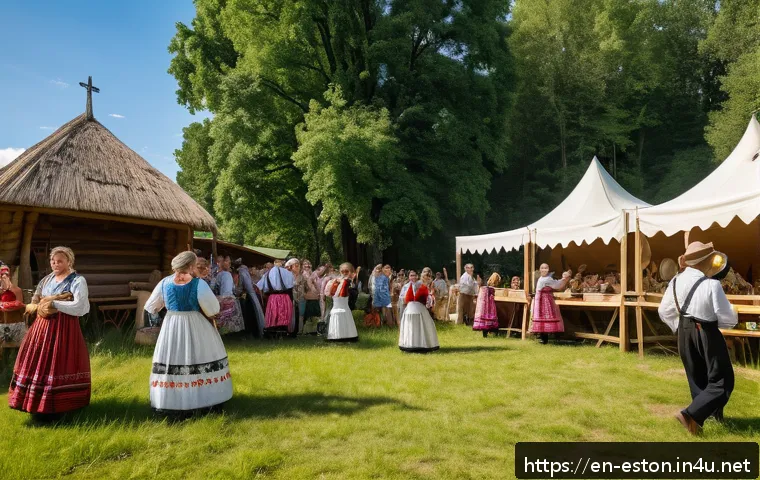
Traditional folk dances and choral singing are integral to Estonia’s New Year entertainment. Watching a local folk group perform in full costume is a vivid reminder of the country’s rich cultural tapestry.
I once attended a concert where the haunting harmonies of the choir sent chills down my spine, perfectly capturing the solemn yet joyful mood of the occasion.
These performances serve as a bridge between past and present, ensuring that Estonia’s heritage remains alive and relevant.
Contemporary Celebrations and Fireworks Displays
Modern New Year’s celebrations in Estonia are marked by spectacular fireworks shows that light up the night sky, often synchronized with music and public countdowns.
Experiencing this firsthand in Tallinn was unforgettable—the explosion of colors reflected on the historic buildings created a magical atmosphere. These displays attract huge crowds and symbolize hope and renewal.
The blend of old and new in these celebrations highlights Estonia’s dynamic spirit and openness to innovation while honoring tradition.
Interactive Public Events and Family-Friendly Activities
Throughout the evening, cities host interactive events such as ice skating, craft workshops, and storytelling sessions tailored for all ages. Participating in these activities made me appreciate how Estonia fosters inclusivity during its New Year festivities.
Families with children enjoy safe, engaging environments that make the holiday memorable for the youngest members. These thoughtful events enhance the communal feel and ensure that everyone, regardless of age, can partake in the joy of welcoming a new beginning.
Superstitions and Beliefs That Influence New Year Practices
The Power of First Footing and Good Luck Charms
One intriguing superstition involves the “first footer,” the first person to enter a home after midnight, believed to bring good fortune. Traditionally, this person should bring gifts like bread or salt to ensure prosperity.
I found this custom charming because it’s not just about luck but also generosity and friendship. Many Estonians take this seriously, preparing small tokens to welcome guests, which adds a layer of warmth and hospitality to the celebrations.
Avoiding Negative Omens and Welcoming Positivity
Certain actions, like refraining from cleaning or washing clothes on New Year’s Day, are believed to prevent bad luck. I was surprised by how these old beliefs still influence modern behavior, showing respect for ancestral wisdom.
These practices create a mindful start to the year, encouraging people to focus on positivity and avoid unnecessary stress. It’s a reminder that New Year’s is not only about celebration but also about intention-setting and respect for tradition.
The Role of Nature and Animal Signs
Estonians also pay attention to animal behavior and natural phenomena around New Year’s, interpreting them as omens. For example, spotting a magpie or hearing an owl’s call can be seen as messages about the year to come.
I experienced this during a countryside visit when locals eagerly discussed these signs, blending folklore with everyday life. This connection to nature adds a mystical, poetic dimension to the holiday, reinforcing Estonia’s deep bond with its environment.
Overview of Key Estonian New Year Traditions
| Tradition | Description | Symbolic Meaning | Typical Setting |
|---|---|---|---|
| Eating Multiple Meals | Consuming 7, 9, or 12 dishes on New Year’s Eve | Abundance and prosperity | Family dining table |
| Fortune Telling | Reading wax shapes or coffee grounds | Gaining insight into the future | Small gatherings among friends |
| Bonfires | Lighting fires to burn away the old year | Renewal and cleansing | Public squares or countryside |
| First Footing | The first guest brings gifts | Good luck and prosperity | Homes after midnight |
| Mulled Wine (Glögi) | Spiced warm beverage enjoyed outdoors | Warming and social bonding | City streets and parties |
| Fireworks | Night sky displays synchronized with music | Hope and celebration | Urban centers |
Conclusion
Estonia’s New Year traditions beautifully blend ancient customs with vibrant community celebrations, creating a unique and heartfelt way to welcome the year ahead. Experiencing these rituals offers insight into a culture that values connection, renewal, and hope. Whether through food, fire, or festive gatherings, the spirit of Estonia’s New Year invites everyone to embrace new beginnings with warmth and togetherness.
Useful Information to Know
1. Eating multiple meals on New Year’s Eve symbolizes abundance and is a cherished family tradition that strengthens bonds.
2. Fortune-telling practices like reading wax or coffee grounds add a playful yet meaningful element to the celebrations.
3. Bonfires are common and serve as a symbol of cleansing and renewal, often bringing communities closer together.
4. Mulled wine, known as glögi, is a popular warm drink that enhances social gatherings and combats the winter chill.
5. Fireworks displays and public events in urban areas offer a lively atmosphere that balances heritage with modern festivities.
Key Takeaways
Estonian New Year’s customs are deeply rooted in symbolism and community spirit, emphasizing abundance, hope, and renewal. From intimate rural gatherings to bustling city celebrations, these traditions foster connection through shared meals, rituals, and cultural performances. Understanding these practices enriches the experience of welcoming the new year with meaning and joy, reflecting Estonia’s unique blend of history and modernity.
Frequently Asked Questions (FAQ) 📖
Q: What unique traditions does Estonia have for celebrating the New Year?
A: Estonia has some truly distinctive New Year traditions that set it apart. One of the most charming customs is the belief that eating seven, nine, or twelve meals on New Year’s Eve brings good luck for the year ahead.
People also engage in old folk rituals like jumping off chairs at midnight to “jump” into the new year and casting spells or making wishes to ensure prosperity.
These traditions are deeply rooted in history and reflect a blend of pagan and Christian influences, making Estonia’s celebration feel both mystical and heartfelt.
Q: How do modern Estonian communities celebrate New Year’s Eve together?
A: In recent years, Estonia has embraced vibrant public celebrations that bring communities closer. Cities like Tallinn host large outdoor events featuring concerts, fireworks, and communal singing, especially of the national song “Mu isamaa on minu arm.” The atmosphere is warm and inclusive, with locals and visitors gathering in town squares to count down together.
I personally experienced the lively energy at Tallinn’s Freedom Square, where the mix of traditional and modern festivities created an unforgettable sense of unity and joy.
Q: Why should travelers consider visiting Estonia for New Year’s celebrations?
A: Estonia offers a refreshingly authentic New Year’s experience that you won’t find elsewhere. Beyond the typical party scenes, you get to witness traditions that have been lovingly preserved for centuries, alongside contemporary festivities that showcase Estonian culture and community spirit.
For anyone seeking a meaningful way to welcome the new year—whether it’s through unique rituals, stunning winter landscapes, or warm, welcoming locals—Estonia provides a magical setting that feels both intimate and exhilarating.
From my own visit, I can say it’s a celebration that stays with you long after the fireworks fade.