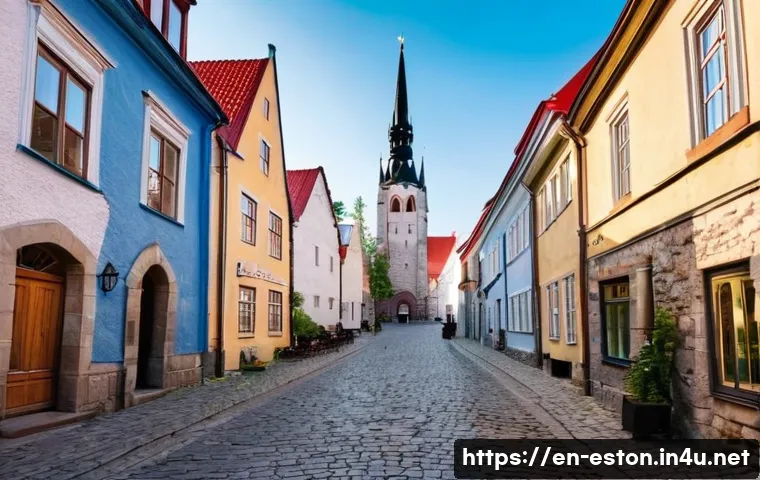
Ever found yourself lost in the captivating charm of a city that feels both ancient and refreshingly modern, where every turn reveals a new story etched in stone?
Well, let me tell you, Estonia, and particularly its vibrant capital Tallinn, offers just that kind of magical architectural journey! From the moment I first set foot there, I was absolutely captivated by how its buildings whisper tales of diverse histories, yet unmistakably sing with a distinct Nordic soul.
It’s like stepping into a living, breathing architectural museum where medieval grandeur seamlessly blends with clean, innovative Scandinavian design, creating a truly unique urban tapestry you simply won’t find anywhere else.
You see, Estonia has absorbed so many influences over centuries, but it’s the strong, enduring connection to its Northern neighbors, especially Finland, that really shapes the elegant functionality and understated beauty we often associate with Nordic style.
It’s not just about old buildings; it’s about how that rich heritage inspires the sleek, sustainable structures defining its future, creating a dynamic blend that’s surprisingly harmonious.
If you’re anything like me, you’ll love discovering the hidden gems and celebrated masterpieces that make Estonia’s architectural landscape so utterly fascinating.
Let’s dive right in and explore these incredible Nordic architectural wonders together!
The Enduring Magic of Tallinn’s Medieval Core
Stepping into Tallinn’s Old Town feels like walking straight into a history book, but one that’s still very much alive and bustling. I remember my first time winding through those narrow cobblestone streets; it was an utterly enchanting experience. The air itself seemed to hum with centuries of stories, and everywhere I looked, there were architectural details that just whispered tales of Hanseatic merchants, knights, and kings. It’s truly a marvel how well-preserved this UNESCO World Heritage site is, especially considering all the influences it has absorbed over the years. You can see the robust fortifications that protected the city, the imposing churches with their spires reaching for the heavens, and the charming merchant houses, each with its own unique character. What strikes me most is how effortlessly it blends the grandeur of the past with the everyday rhythm of contemporary life. You’ll find ancient doorways leading to trendy cafes, and medieval courtyards hosting vibrant artisan markets. It’s not just a collection of old buildings; it’s a living, breathing testament to resilience and beauty, and it certainly plays a huge part in Estonia’s distinct architectural identity. The sheer density of historical buildings, each with its own narrative, makes it an endlessly fascinating place to explore, and I always discover something new every time I visit.
Cobblestone Chronicles
The sheer tactile experience of wandering through the Old Town, with its uneven cobblestones and ancient stone walls, is something you simply can’t replicate anywhere else. I always recommend wearing comfortable shoes because you’ll want to explore every nook and cranny. The way the light hits the ancient facades at different times of day completely transforms the mood, from the bright, bustling mornings to the soft, romantic glow of the evenings. You can almost hear the echoes of past conversations in the alleyways. The architecture here tells a continuous story, from the earliest medieval settlements to the later additions that adapted and evolved with the city’s needs. It’s a masterclass in organic urban development, where each new layer contributed to the rich tapestry without erasing what came before. This respectful layering is a hallmark of enduring Nordic urban planning, even in its earliest forms.
Gothic Grandeur and Beyond
When you look up, the Gothic spires of St. Olaf’s Church and St. Nicholas Church dominate the skyline, their imposing presence a stark reminder of the city’s past power and prestige. But it’s not just about the grand churches; it’s also the more subtle details of the merchant houses with their distinct gables and colorful facades that really catch your eye. I personally find the blend of Northern European Gothic and later Renaissance elements incredibly fascinating. It’s clear that Tallinn, as a major trading hub, was exposed to various architectural styles, and its builders skillfully integrated them while maintaining a uniquely Estonian character. This continuous evolution, yet deep respect for tradition, feels very Nordic to me—a practical beauty that stands the test of time.
Embracing the Future: Sleek Scandinavian Modernism
As much as I adore the medieval charm, what truly sets Estonia apart is its remarkable embrace of contemporary Nordic design. It’s like a breath of fresh air as you move from the ancient fortifications to the newer districts of Tallinn. The modern architecture here isn’t just about constructing new buildings; it’s about a philosophy of living—clean lines, functionality, natural light, and a deep connection to the environment. I’ve seen so many stunning examples of this, from impressive public buildings to innovative residential complexes that truly embody the ‘less is more’ principle. This commitment to thoughtful, sustainable, and aesthetically pleasing design feels incredibly authentic and deeply rooted in a shared Nordic sensibility. It’s not flashy or ostentatious; instead, it’s quietly confident, focusing on quality materials and a timeless appeal that avoids fleeting trends. This focus on enduring design speaks volumes about a forward-thinking yet grounded culture.
Form Meets Function
One of the first things you notice about modern Estonian buildings, much like their Scandinavian counterparts, is how seamlessly form follows function. There’s a beautiful simplicity to the structures, where every element seems to have a purpose, contributing to an overall sense of calm and order. I’ve always appreciated how these designs prioritize practicality without sacrificing an ounce of elegance. Whether it’s an office building with expansive glass facades maximizing natural light or a residential block designed for efficient living, the thought process behind each design is evident. This emphasis on human-centric design, making spaces comfortable and intuitive, is a core tenet of the Nordic approach that Estonia has truly mastered. It’s a refreshing change from some of the more elaborate or purely decorative architectural styles you might see elsewhere.
Light-Filled Spaces
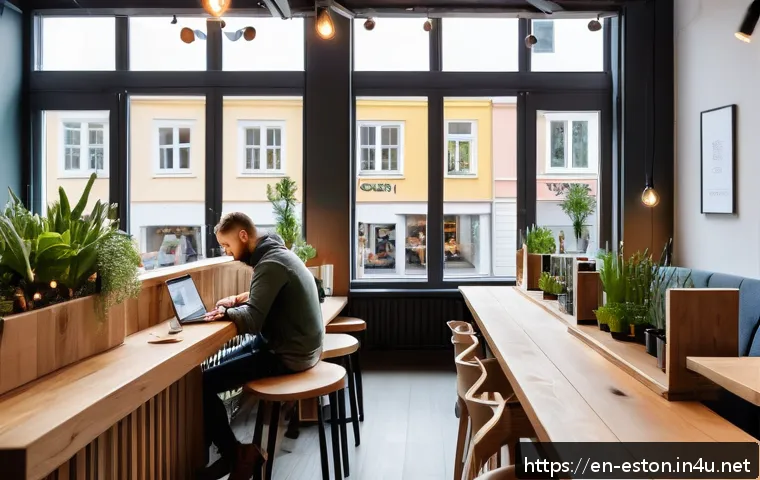
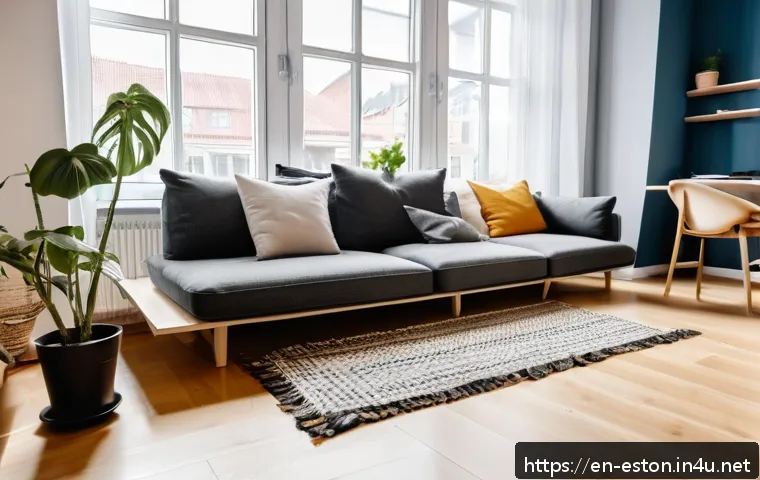
Given the long, dark winters in this part of the world, it’s no surprise that maximizing natural light is a crucial aspect of Nordic architecture, and Estonia is no exception. Modern Estonian buildings frequently feature large windows, open-plan layouts, and strategically placed skylights to invite as much daylight as possible indoors. Walking into these spaces, you immediately feel a lift in your spirits. I’ve noticed a strong preference for light-colored materials and minimalist interiors that further enhance the brightness and airiness. It’s not just about aesthetics; it’s about creating environments that positively impact well-being, reflecting a profound understanding of how architecture can shape daily life. This deliberate design choice truly makes a difference during those shorter days, making indoor spaces feel connected to the outside world.
Sustainability at its Heart: Estonia’s Green Buildings
In today’s world, sustainability isn’t just a buzzword; it’s a necessity, and Estonia truly walks the talk when it comes to green architecture. What I’ve observed firsthand is a deep-seated commitment to environmental responsibility, beautifully integrated into their contemporary building practices. This isn’t surprising, given the strong Nordic emphasis on harmony with nature. From innovative energy-saving solutions to the use of locally sourced, eco-friendly materials, Estonian architects are at the forefront of creating structures that are not only beautiful but also kind to the planet. It’s inspiring to see how seamlessly they blend cutting-edge technology with traditional wisdom to minimize environmental impact. This forward-thinking approach is not just about meeting regulations; it’s about a cultural ethos that values preservation and long-term well-being. They really consider the full lifecycle of a building, from construction to its eventual impact on the surrounding ecosystem.
Eco-Conscious Designs
The ingenuity in eco-conscious design here is truly impressive. I’ve encountered buildings with living green roofs that help with insulation and biodiversity, facades covered in climbing plants, and even structures that integrate solar panels so elegantly you barely notice them. Architects are really thinking outside the box to create passive heating and cooling systems, optimize natural ventilation, and reduce overall energy consumption. There’s a tangible sense that every design choice is made with the planet in mind, yet without compromising on aesthetic appeal or functionality. It’s a testament to the idea that sustainable architecture can indeed be stunning and highly livable, a philosophy that resonates deeply across the Nordic region. This thoughtful integration of green elements creates spaces that feel incredibly healthy and refreshing.
Urban Green Integration
Beyond individual buildings, Estonia excels at integrating green spaces into its urban fabric, reflecting a broader Nordic trend. Parks and natural areas are not just afterthoughts but are often central to urban planning. I’ve noticed how new developments frequently incorporate generous communal gardens, rooftop terraces, and even urban farms, fostering a stronger connection between residents and nature. This thoughtful approach to urban greening not only enhances the aesthetic appeal of the city but also contributes significantly to air quality, biodiversity, and community well-being. It’s a holistic vision where architecture and nature are not separate entities but are interwoven to create a more livable and sustainable urban environment for everyone. This commitment to green infrastructure truly makes cities like Tallinn feel vibrant and healthy.
Breathing New Life: Adaptive Reuse of Industrial Heritage
One of the most exciting trends I’ve noticed in Estonian architecture, echoing a broader European and particularly Nordic sensibility, is the ingenious adaptive reuse of old industrial buildings. Instead of tearing down these historical structures, which often have immense character and a compelling story, architects are transforming them into vibrant new spaces. It’s a brilliant way to preserve the past while simultaneously addressing the needs of the present and future. I’ve personally explored several former factories and warehouses that have been reborn as cultural centers, trendy marketplaces, innovative offices, and even stylish residential lofts. This approach not only prevents waste and reduces the carbon footprint associated with new construction but also adds a unique layer of historical depth and gritty charm to contemporary urban landscapes. It’s a creative solution that respects heritage while fostering innovation, a balance that is truly inspiring.
From Factories to Cultural Hubs
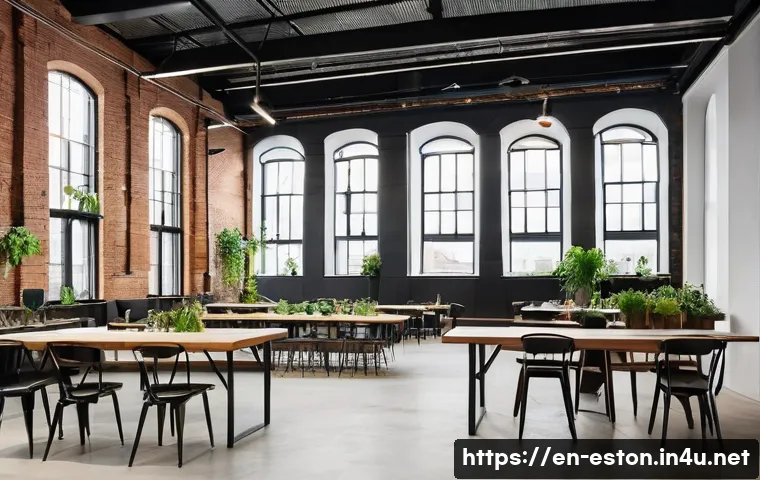
Imagine a bustling market hall in what was once a Soviet-era factory, or a dynamic art gallery housed within the soaring ceilings of an old power plant. That’s exactly what you find in places like the Telliskivi Creative City in Tallinn, which is a perfect example of this transformation. I love how these spaces retain elements of their industrial past—exposed brickwork, large steel beams, and utilitarian details—which are then beautifully contrasted with sleek, modern interventions. It creates an aesthetic that is both raw and refined, gritty and sophisticated. These reclaimed spaces often become vibrant cultural hubs, attracting artists, entrepreneurs, and visitors, breathing new life into neglected urban areas and fostering a strong sense of community. The energy in these revitalized districts is absolutely infectious, and they quickly become some of the most popular spots in the city.
Modern Interventions
The magic often lies in the thoughtful modern interventions that complement rather than overpower the original structure. Architects are incredibly clever at inserting new functions and services while celebrating the existing architecture. This might involve adding contemporary glass extensions that provide natural light and offer visual contrasts, or creating flexible interior layouts that can adapt to various uses. The design decisions often involve minimalist aesthetics and robust materials that align with the building’s industrial past, while also incorporating the clean lines and functionality typical of Nordic design. It’s a delicate dance between old and new, and when done right, as it so often is here, the result is truly spectacular. It’s a powerful demonstration of how good design can honor history while forging a dynamic future.
The Finnish Connection: A Cross-Bay Dialogue
It’s impossible to talk about Estonian architecture, particularly in Tallinn, without acknowledging the profound and fascinating influence of its northern neighbor, Finland. Geographically, culturally, and historically, these two nations share an incredibly close bond, and this dialogue is beautifully reflected in their built environments. Crossing the Baltic Sea from Tallinn to Helsinki feels less like entering a different country and more like visiting a sibling city, where architectural themes and design philosophies flow seamlessly between the two. From the modern glass-and-steel structures to the minimalist interiors, you can consistently spot shared aesthetics and innovative approaches that speak to a common Nordic heritage. I’ve always found this cross-pollination of ideas incredibly enriching; it creates a regional design identity that is both distinct and interconnected, highlighting a unity in diversity that defines Northern Europe.
Shared Aesthetics
When you look at modern Estonian and Finnish architecture side-by-side, the shared aesthetic principles are strikingly evident. Both favor clean, uncluttered lines, an emphasis on natural materials like wood and stone, and an almost religious devotion to maximizing natural light. There’s a pragmatic beauty to both, a sense that buildings are designed to serve human needs efficiently and elegantly, without unnecessary ornamentation. I’ve often noticed similar material palettes and color schemes, often leaning towards earthy tones, whites, and grays, which create a serene and harmonious feel. This shared visual language isn’t merely coincidental; it stems from similar climatic conditions, cultural values that prize simplicity and functionality, and a history of mutual inspiration that has fostered a cohesive Nordic design identity across the Gulf of Finland.
Architectural Exchanges
The architectural exchange between Estonia and Finland is not just about shared styles; it’s a dynamic, ongoing conversation. Many Estonian architects have studied or worked in Finland, and vice versa, leading to a constant flow of ideas and innovations. This close professional relationship has undoubtedly enriched both countries’ architectural landscapes. I’ve seen projects in Tallinn that clearly draw inspiration from groundbreaking Finnish designs, and you can similarly find Estonian influences in some of Helsinki’s contemporary works. This continuous dialogue fosters a healthy competitive environment that pushes the boundaries of design and encourages experimentation, while always staying true to the core Nordic principles. It’s a testament to how proximity and shared heritage can lead to a truly synergistic creative relationship.
Wood, Nature, and Innovation: The Estonian Material Palette
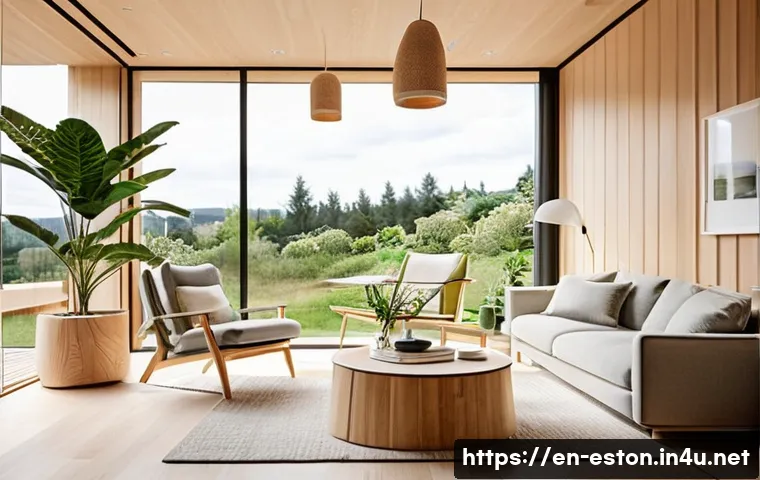
If there’s one material that truly embodies the spirit of Nordic architecture in Estonia, it has to be wood. Beyond its aesthetic appeal, wood represents a deep connection to the natural environment and a tradition of craftsmanship that has been passed down through generations. I’ve been absolutely fascinated by the innovative ways Estonian architects are reinterpreting this ancient material in contemporary designs. It’s not just about traditional log cabins anymore; we’re talking about sophisticated timber structures, elegant wooden facades, and intricate interior detailing that showcase the versatility and warmth of wood. This preference for natural materials aligns perfectly with the overarching Nordic emphasis on sustainability and creating healthy, inviting spaces. There’s a palpable respect for the material itself, a desire to highlight its inherent beauty and tactile qualities, which makes these buildings feel incredibly grounded and authentic.
Traditional Craft, Contemporary Twist
What I find particularly compelling is how Estonian architects are blending traditional woodworking techniques with cutting-edge design and engineering. You’ll see exquisite examples of intricate timber structures that are both structurally sound and visually stunning, often employing innovative joinery and sustainable sourcing practices. This isn’t just about rustic charm; it’s about pushing the boundaries of what wood can achieve in modern construction. I’ve visited workshops where artisans are creating incredible bespoke elements, ensuring that each piece contributes to the building’s unique character. This dedication to craft, combined with a contemporary vision, results in buildings that feel both timeless and refreshingly modern, a true hallmark of the Nordic design ethos. It’s a wonderful synergy of heritage and innovation that makes each structure feel truly special.
Biophilic Design Principles
The pervasive use of wood in Estonian architecture is also a strong indicator of its commitment to biophilic design—the practice of connecting building occupants with nature. Beyond just aesthetics, incorporating wood creates interiors that feel warmer, more inviting, and intrinsically calming. I’ve noticed a deliberate effort to bring the outdoors in, not just through large windows but also through textures and materials that evoke the natural world. This focus on natural elements, combined with plenty of natural light and views of greenery, significantly enhances well-being and productivity. It’s a deeply human-centered approach that recognizes our innate need to connect with nature, and Estonia executes this beautifully, making its built environments not just functional but genuinely restorative spaces. This thoughtful consideration for human experience truly sets it apart.
| Architectural Style/Influence | Key Characteristics | Example Location in Estonia |
|---|---|---|
| Medieval Gothic (Old Town) | Stone fortifications, spires, narrow streets, colorful merchant houses | Tallinn Old Town (e.g., St. Olaf’s Church, Town Hall Square) |
| Nordic Modernism | Clean lines, functionality, natural light, minimalist aesthetic, efficient spaces | Kultuurikatel (Culture Cauldron), Rotermann Quarter |
| Sustainable/Green Architecture | Eco-friendly materials, energy efficiency, green roofs, urban nature integration | Estonian National Museum (ERM) surroundings, various new residential developments |
| Adaptive Reuse (Industrial) | Transformation of old factories/warehouses into new functions (e.g., cultural centers, offices, markets) | Telliskivi Creative City, Noblessner Foundry |
| Wood Innovation | Extensive use of timber, traditional craft with modern techniques, biophilic design | Many modern private residences, smaller public buildings, coastal architecture |
Coastal Calm and Rural Retreats: Architecture Beyond the City
While Tallinn often steals the spotlight, the architectural narrative of Estonia extends far beyond its vibrant capital, reaching into the serene coastal areas and tranquil rural landscapes. What truly captivates me is how the architecture in these regions reflects a deep respect for local traditions and a profound connection to nature. Away from the urban hustle, you’ll find structures that speak of a more intimate relationship with their surroundings, often crafted with local materials and designed to withstand the elements while providing a cozy, welcoming sanctuary. It’s a beautiful contrast to the city’s grandeur and modernism, offering a glimpse into another facet of Estonia’s diverse architectural identity. I’ve always found these retreats incredibly charming, demonstrating how design can be both humble and deeply resonant with its environment, creating spaces that feel truly authentic and rooted in their place.
Idyllic Island Escapes
Estonia’s islands, like Saaremaa and Hiiumaa, offer a unique architectural experience. Here, the buildings often feature a more vernacular style, characterized by simple, robust forms, timber construction, and a color palette inspired by the sea and the surrounding landscape. I’ve spent time in some of these coastal homes and cottages, and there’s an immediate sense of peace and belonging. The architecture is unpretentious, focusing on practicality and resilience against the maritime climate, yet it possesses an undeniable charm. Large windows often frame breathtaking views of the Baltic Sea, inviting the dramatic natural beauty indoors. It’s a style that feels deeply connected to the Nordic tradition of respecting nature and building in harmony with it, creating spaces that are both functional and incredibly soulful. You truly feel a sense of escape and tranquility in these thoughtfully designed island retreats.
Vernacular Inspiration
Even in more contemporary coastal and rural developments, you can still trace the influence of traditional Estonian vernacular architecture. Designers often draw inspiration from historical building types, such as old farmhouses, fishing huts, and boathouses, reinterpreting their forms, materials, and spatial arrangements in modern ways. This ensures that new constructions blend seamlessly into the existing landscape and cultural context, rather than standing out jarringly. I’ve seen beautiful examples where traditional pitched roofs or specific window arrangements are subtly echoed in brand-new designs, creating a sense of continuity and timelessness. This conscious effort to honor regional identity through architectural design is a powerful testament to Estonia’s deep respect for its heritage, while still embracing innovation and contemporary living standards, a balance that I find incredibly admirable and uniquely Nordic.
Wrapping Things Up
Well, folks, what a journey we’ve had through Estonia’s incredible architectural tapestry! From the ancient allure of Tallinn’s Old Town, a place I truly never tire of exploring, to the sleek lines of Nordic modernism and the green heart of its sustainable designs, it’s clear that this small nation packs a powerful punch in the world of design.
My hope is that this deep dive has not only opened your eyes to its unique beauty but also ignited a spark of wanderlust, encouraging you to experience this remarkable country firsthand.
Trust me, it’s even more captivating in person, and you’ll feel that blend of history and innovation at every turn.
Practical Pointers for Your Visit
When you’re exploring Tallinn’s Old Town, comfortable walking shoes are an absolute must. Those charming cobblestones are beautiful but can be quite uneven, and you’ll want to be able to wander for hours without complaint, discovering hidden courtyards or climbing a church tower for those panoramic views. I always find a good pair of sneakers or sturdy boots makes all the difference when I’m soaking in the atmosphere.
Don’t shy away from Tallinn’s excellent public transport system if you’re venturing beyond the Old Town to see modern architectural marvels like the Rotermann Quarter. Trams and buses are super efficient and a fantastic way to see more of the city without racking up taxi fares. You can often buy tickets directly from the driver or use a contactless card, which is incredibly convenient and budget-friendly for getting around.
While you’re admiring the architecture, remember to fuel up with some delicious Estonian food! Look for cozy restaurants offering traditional dishes – think hearty black bread, smoked fish, and rich stews. It’s a wonderful way to experience the local culture and connect with the history of the place, often in beautifully restored historic buildings themselves, adding another layer to your sensory journey.
Although English is widely spoken, especially in tourist areas, learning a few basic Estonian phrases like ‘Tere’ (hello) and ‘Aitäh’ (thank you) can go a long way. Locals truly appreciate the effort, and it often opens doors to more genuine interactions, enhancing your overall travel experience and demonstrating respect for their unique heritage and language.
Estonia is incredibly digitally advanced, so you’ll find great Wi-Fi almost everywhere, and card payments are dominant for nearly everything. However, it’s always a good idea to carry a small amount of Euros for smaller vendors or local markets, especially when you’re exploring artisan stalls in places like Telliskivi Creative City, where cash might be preferred for quick purchases or unique finds.
Key Takeaways
So, if you take away anything from our architectural journey through Estonia, remember this: it’s a land of striking contrasts and seamless integration.
You have the timeless charm of medieval Tallinn, a UNESCO gem that literally transports you back centuries, standing proudly alongside the clean, functional beauty of modern Nordic design.
This isn’t just about new buildings; it’s a deep commitment to sustainability, innovation, and an almost poetic use of natural materials, particularly wood, reflecting a profound respect for the environment.
Estonia also masterfully breathes new life into its industrial past through adaptive reuse, creating vibrant cultural hubs that honor history while embracing the future.
Finally, the subtle yet powerful influence of Finnish design creates a harmonious regional aesthetic, making Estonia a truly compelling destination for anyone fascinated by the art of building.
It’s a country that continually evolves while steadfastly cherishing its roots, offering an architectural experience that is both globally relevant and uniquely its own.
Frequently Asked Questions (FAQ) 📖
Q: How does Tallinn’s architecture manage to beautifully blend its rich medieval heritage with that sleek, modern Nordic aesthetic?
A: Oh, this is such a fantastic question, and it’s something that truly struck me on my very first visit! You walk through Tallinn’s Old Town, a UNESCO World Heritage site, and you’re immediately transported back to the Hanseatic League era with its cobblestone streets, gabled houses, and the iconic city walls.
It’s absolutely breathtaking, truly feeling like a fairy tale. But then, you step just outside those ancient walls, or even into some carefully integrated new developments within them, and bam!
You’re greeted by incredibly clean lines, functional designs, and a minimalist aesthetic that shouts “Nordic modernism.” What I’ve observed, and what makes it so brilliant, is that modern Estonian architects don’t try to erase the past; they thoughtfully weave it into the present.
They respect the historical context, often using materials and forms that subtly echo the older structures, but apply them with a contemporary sensibility.
Think about how many old industrial areas or Soviet-era buildings have been brilliantly repurposed with a Scandinavian touch – keeping the bones but giving them a fresh, light, and sustainable new life.
It’s not a jarring contrast; it’s a conversation across centuries, a testament to Estonia’s enduring spirit and its ability to innovate while honoring its roots.
This creates a really exciting visual journey that keeps you engaged, making you want to explore every corner.
Q: What are some specific architectural styles or elements in Tallinn that really scream “Nordic influence” to you?
A: That’s a keen eye you’ve got there! When I started paying closer attention, the Nordic influence became so evident, especially in the newer parts of the city and contemporary renovations.
Beyond the obvious historical ties to places like Finland and Sweden, you’ll notice a distinct emphasis on functionality and light. For instance, many modern buildings, and even older ones undergoing thoughtful restoration, feature large windows that maximize natural light – a classic Nordic response to long, dark winters.
You’ll also see a preference for natural materials like wood, glass, and local stone, often used in simple, elegant ways that let their inherent beauty shine through.
Think about the clean, uncluttered facades you’ll encounter, often in subdued, earthy color palettes that blend harmoniously with the environment. It’s not about ostentation; it’s about thoughtful design that prioritizes liveability and sustainability.
I particularly love how the public spaces are designed, often with a focus on human scale and accessibility, much like you’d find in Helsinki or Stockholm.
It’s about creating environments that feel welcoming, efficient, and beautifully understated – a true hallmark of Nordic design ethos that Estonia has truly made its own.
Q: Is this Nordic influence still a major force in contemporary Estonian architecture, and where can I find the best examples if I’m visiting?
A: Absolutely, the Nordic influence isn’t just a historical footnote; it’s very much alive and thriving in contemporary Estonian architecture! It’s exciting because it means Tallinn continues to evolve while maintaining its unique identity.
You can see this clearly in new residential developments, public buildings, and even many of the cutting-edge office complexes springing up around the city.
For instance, the Rotermann Quarter is an absolute must-see if you’re interested in modern Estonian design. It’s a fantastic example of how old industrial buildings have been transformed into a vibrant, stylish urban hub with a distinctly Scandinavian feel – lots of exposed brick, glass, clean lines, and pedestrian-friendly spaces.
Another area worth exploring is the Telliskivi Creative City, which, while more bohemian, also embodies that Nordic spirit of repurposing and functionality with a cool, understated aesthetic.
Beyond specific districts, just keep an eye out for newly constructed apartment buildings or cultural centers; you’ll often spot designs that prioritize sustainability, energy efficiency, and a deep connection to nature, often with minimalist forms and expansive windows.
My advice? Take a walk along the waterfront, explore the emerging design districts, and don’t be afraid to wander off the main tourist paths. That’s where you’ll really feel the pulse of modern Tallinn and see how beautifully it continues to embrace and adapt that timeless Nordic architectural language.